Home / Batik Regions - Western Indonesia - Northern Sumatra - North Sumatra / Maria Annai Velangkani Catholic Church

Cultural Destination

Embrace the spirit of the place!

Maria Annai Velangkani Catholic Church

(photo:_alilim)

Maria Annai Velangkani Catholic Church

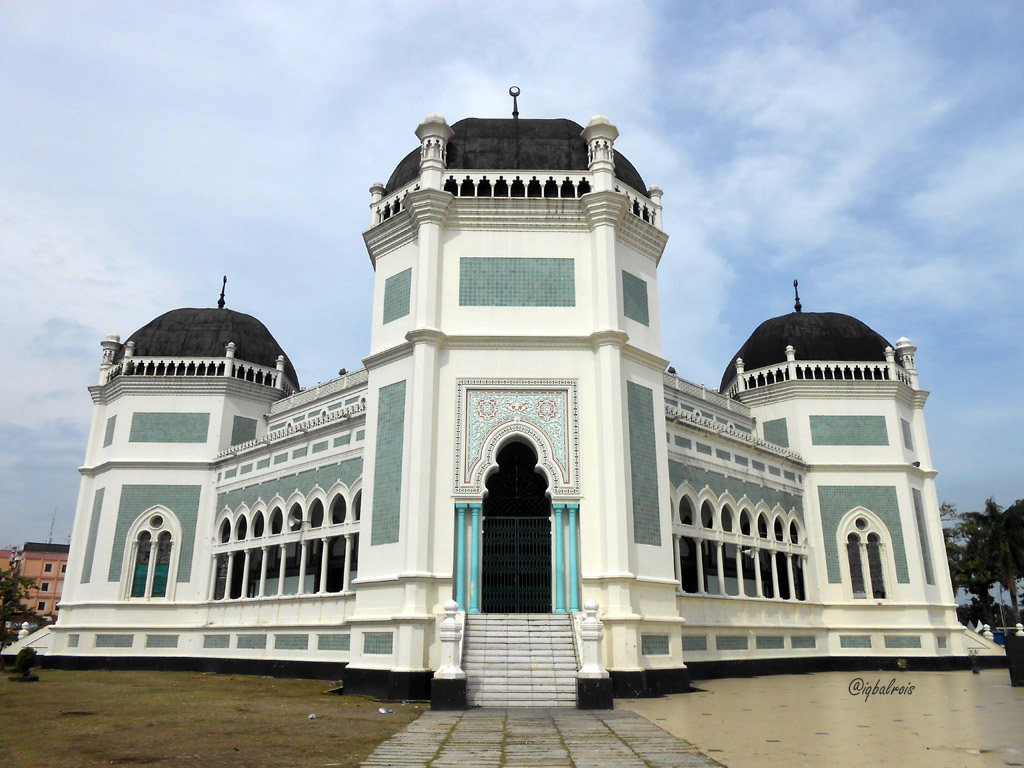
This unique church building was made for and by Catholics of Tamil Indian descendants who resided in Medan. The design of both the church’s primary and secondary buildings was inspired by Indo-Mogul architecture from South India. It was built to accommodate the spiritual needs of numerous Catholics of Indian descent in Medan.

Cultural Tourism Destination

Maria Annai Velangkani Catholic Church 

Tourist Attractions in North Sumatra

North Sumatra

Batik Motifs

Penari Melayu

Penari Melayu illustrates the traditional dance of Malay ethnic in

Desa Na Ualu

The Gorga motif of Ualu Village is the symbol of the eight cardinal

Desa Na Tolu

The Desa Na Tolu characteristic pattern symbolizes the Batak philosophy of existence and

Gorga Simeol-Meol

The Gorga Simeol-meol is a pattern of plant tendrils. it is regarded as a symbol of longevity and


Discover

Indonesian

Batik

Motifs

Bunga Raye

Raye Flower motif also represents a wish for

Cengkeh

The clove flower motif is the main commodity of the Tolitoli Regency. This motif represents

Karawo Pinang

Pinang refers to the Palm areca tree. This motif is considered as the original

Kuda Sepasang

For the people of Kupang, having a strong horse is a matter of

Pati-Pati Pinehiku

It symbolizes the hierarchy in society and the social status of the Mekongga

Kawung

The Kawung motif was created by Sultan Agung Hanyokrokusumo (1593 – 1645) as a symbolic gift for

Parang Seling

Parang Seling or “alternating daggers” is a royal batik motif. It is a feminine variant of

Daun Simpor

This motif is inspired by the Simpor plant (Dillenia Suffruticosa) which is a typical

Taiganja

Taiganja is a precious gold pendant that shows the social status of the Kaili family. It is

Kain Cual

Cual textile tradition has existed since the 17th century. The word “Cual” refers to