Home / Batik Regions - Eastern Indonesia - Papua / Asmat Papua
Papua Province - Indonesia
Meanings:
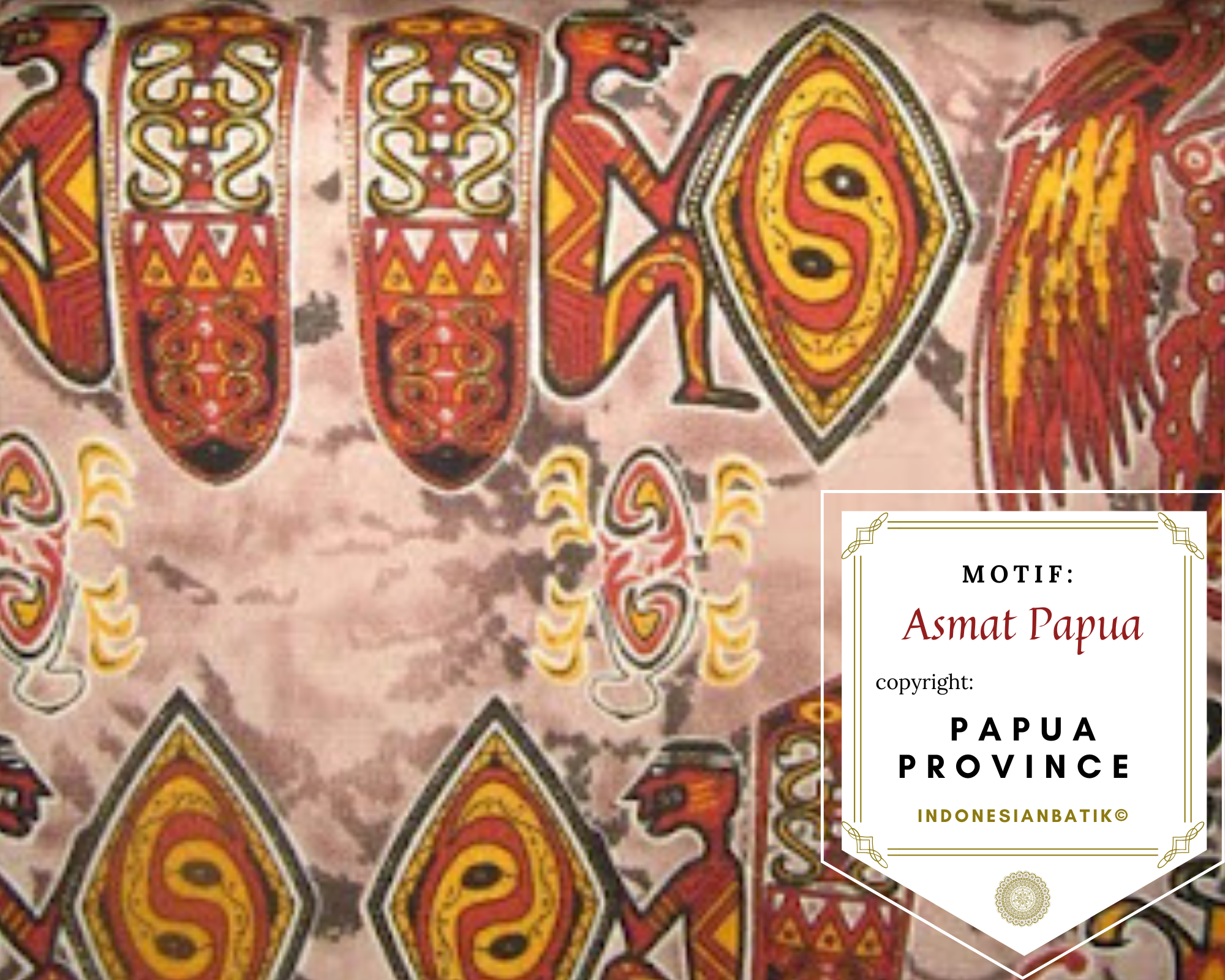
The batik motif illustrates the Asmat's sacred tribal motifs that are mostly drawn on wood sculptures. The Asmat Batik is usually made using natural dye in brown or terracotta soil color. This kind of batik motif are commonly produced in many areas of Papua, including West Papua province.
Note: All contents and batik images are protected by Indonesian cultural property law. This documentation is intended for educational purposes and to facilitate the preservation of Batik UNESCO's intangible cultural heritage 2009. Any use of published materials is allowed only with reference to this website as the original source of publication.
How to preserve Batik
Philosophical Meanings of Batik
Learn and identify the meaning of the motifs from each region. Are you searching for a meaningful gift for your loved ones? Surprise them with a merry little Batik!
Authentic Batik
Buy the authentic handwritten Batik textiles to add to your prestigious collection. Such support will enhance the well-being of Batik artisans and preserve the living heritage.
Batik Community
If you want to meet the Batik artisans, we encourage you to visit and support Batik workshops in Indonesia. You may discover the local tourism that suits your preference!
UNESCO Intangible Cultural Heritage of Humanity in 2009
Batik Production Process in Papua
Batik production can take 1 month up to 2 years of working time depending on the purposes of the textile creation and the colour complexity. The Batik handwriting textile is generally made with 8 design steps, ranging from wax patterning to colouring process. The artists use Canting, as a tool to put hot melted wax on the cloth.
Batik Regions
Overview of Papua Province
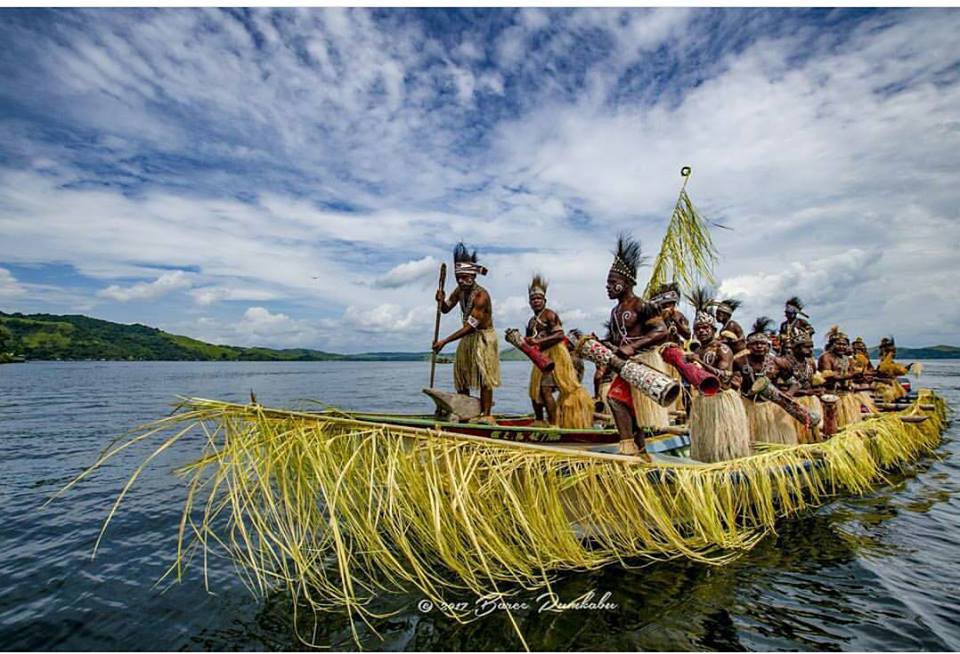
Papua is a province located in the eastern part of Indonesia and borders the state of Papua New Guinea. The province was formerly known as Irian Jaya, a name that remained in official use until 2002. The name of the province was changed to Papua according to Law No 21/2001 on Special Autonomy for Papua. Together with Indonesian Batik, Papua’s Noken multi-functioned knotted bag crafting tradition has also been inscribed in the list of UNESCO Intangible Cultural Heritage of Humanity in 2012.
Batik Production Villages in Papua Province
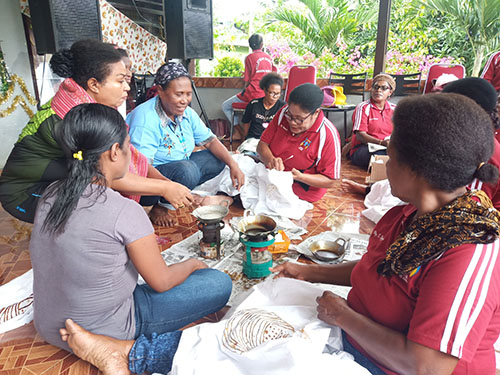
Batik villages are the region where the textile heritage producers mostly reside and open their workshops, as well as display their textile products. You could buy the textiles from the artisans and participate in the making process of Batik on the site.
Batik Motifs in Papua
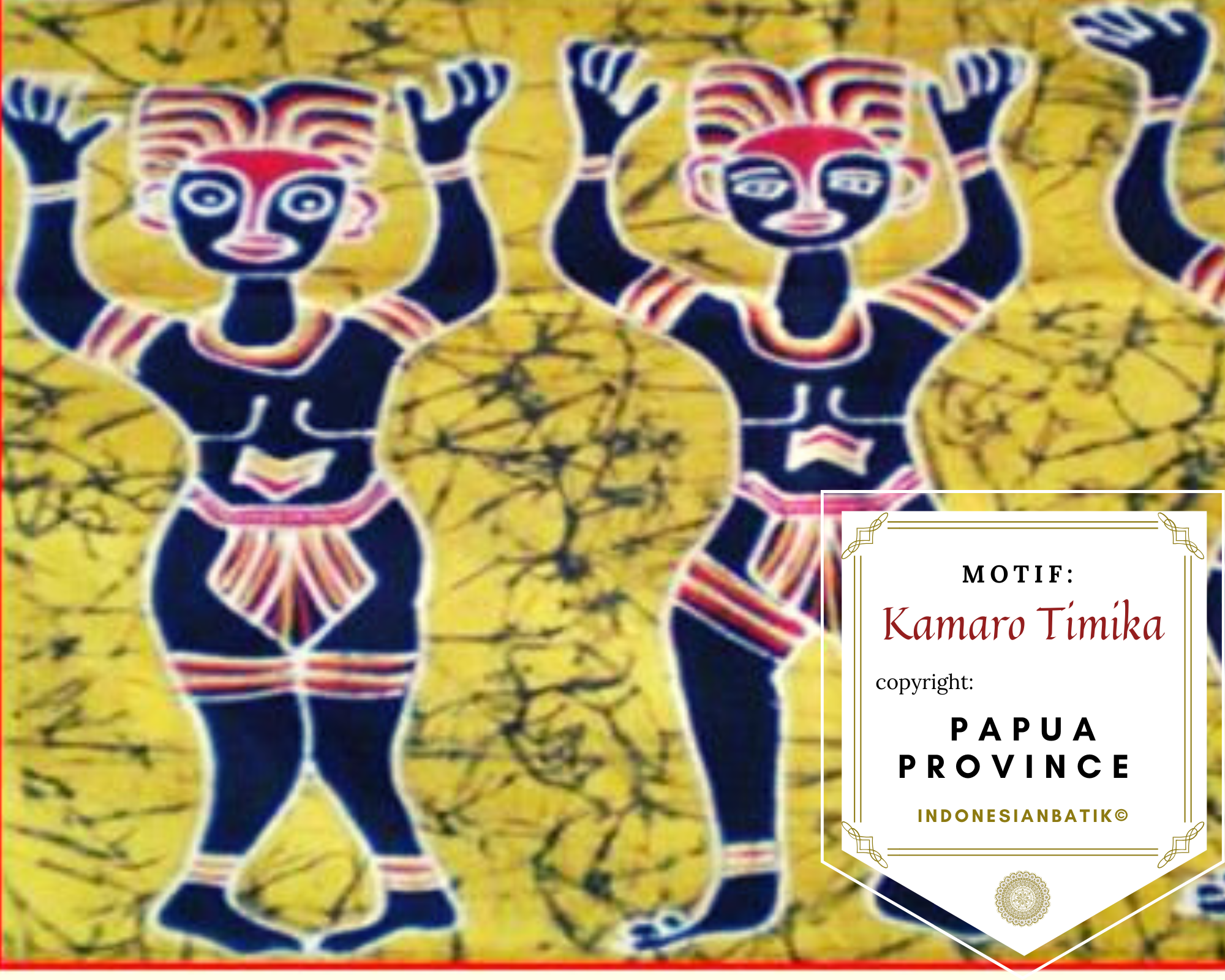
Kamaro Timika
This motif is inspired by sacred symbols of Kamaro communities in
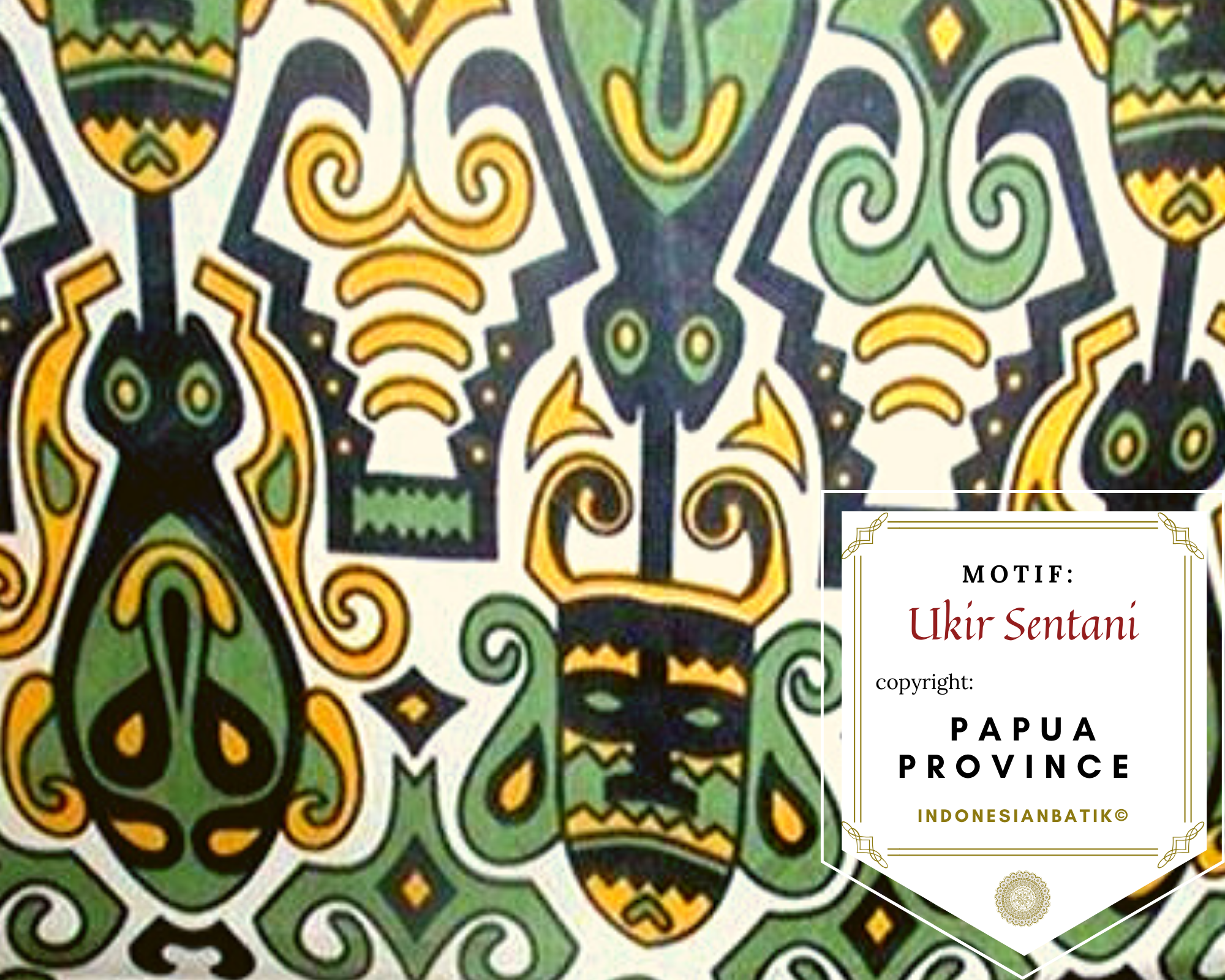
Ukir Sentani
The Ukir motif is a batik motif that is inspired by various traditional Sentani wood carvings
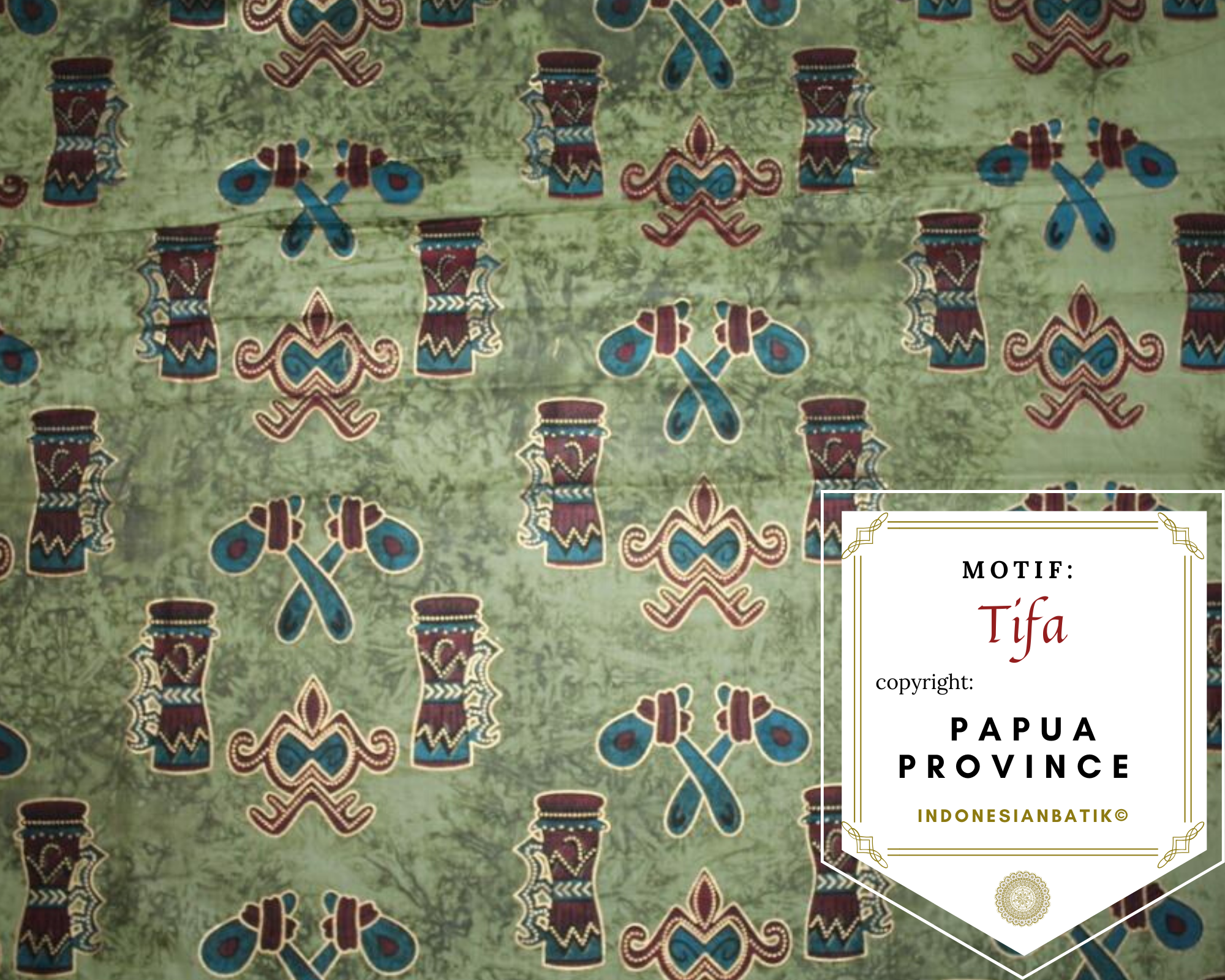
Tifa Papua
This motif was derived from traditional Papuan musical instruments,