Home / Batik Regions - Western Indonesia - Northern Sumatra - West Sumatra / Keluak Daun Pakis
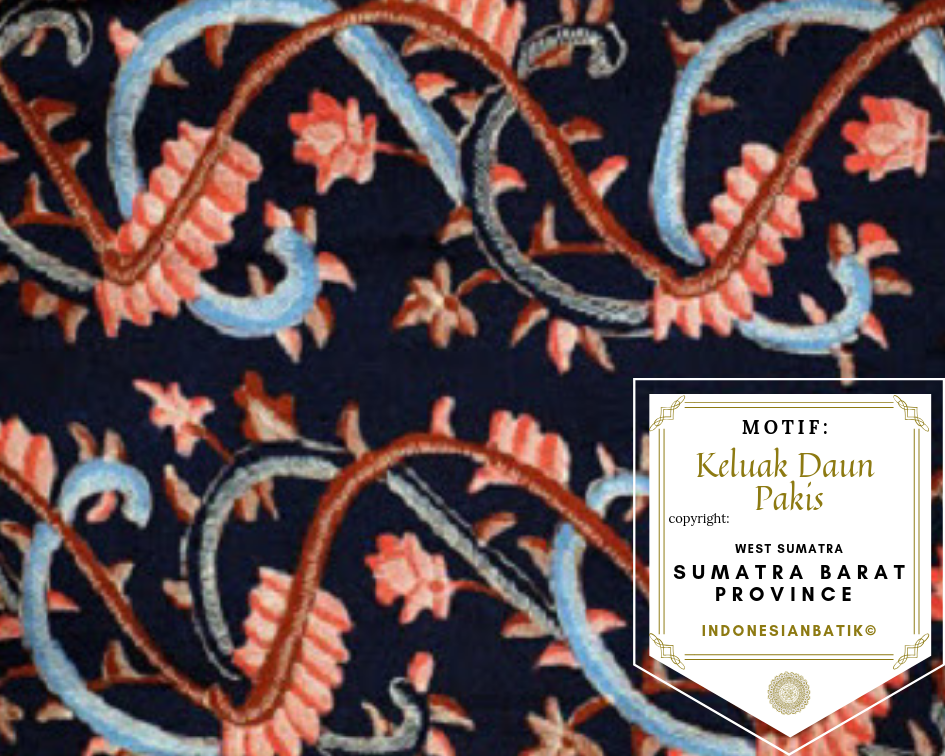
Keluak Daun Pakis
West Sumatra Province - Indonesia
Meanings:
The word “Keluak” is a Minang language which means twisted or tangled. The Motif of Keluak Daun Pakis is inspired by tangled fern plants that are common and easy to find in Indonesia, especially in the river banks. Fern plants represent a wise and calm attitude in facing challenges in life. It is the symbol of the fertility and prosperity for one's life.
Note: All contents and batik images are protected by Indonesian cultural property law. This documentation is intended for educational purposes and to facilitate the preservation of Batik UNESCO's intangible cultural heritage 2009. Any use of published materials is allowed only with reference to this website as the original source of publication.
How to preserve Batik
Philosophical Meanings of Batik
Learn and identify the meaning of the motifs from each region. Are you searching for a meaningful gift for your loved ones? Surprise them with a merry little Batik!
Authentic Batik
Buy the authentic handwritten Batik textiles to add to your prestigious collection. Such support will enhance the well-being of Batik artisans and preserve the living heritage.
Batik Community
If you want to meet the Batik artisans, we encourage you to visit and support Batik workshops in Indonesia. You may discover the local tourism that suits your preference!
UNESCO Intangible Cultural Heritage of Humanity in 2009
Batik Production Process in West Sumatra
Batik production can take 1 month up to 2 years of working time depending on the purposes of the textile creation and the colour complexity. The Batik handwriting textile is generally made with 8 design steps, ranging from wax patterning to colouring process. The artists use Canting, as a tool to put hot melted wax on the cloth.
Batik Regions
Overview of West Sumatra Province
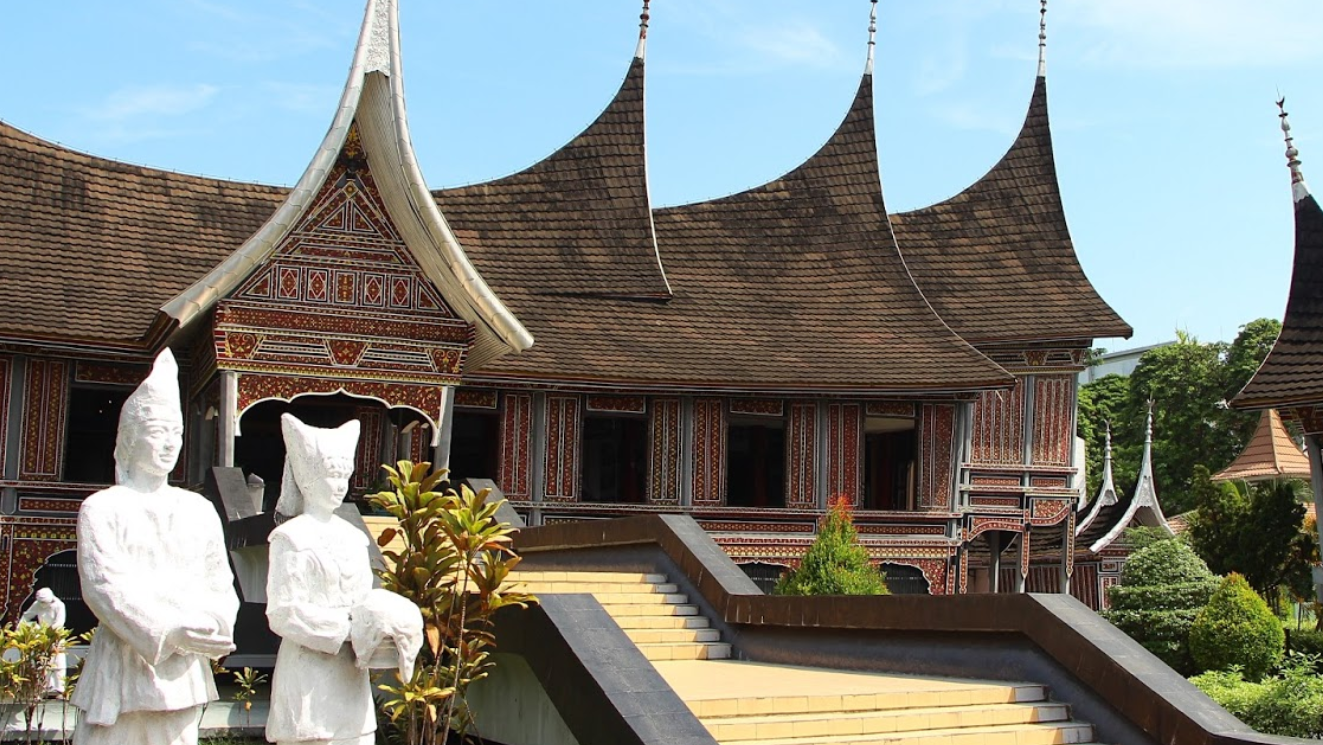
The history of Tanah Minang began with the establishment of the Malay kingdom called the Pagaruyung Kingdom. This kingdom was founded by King Adityawarman in 1347 AD who named after the area with Nagari Minangkabau or Tanah Minang. The majority of West Sumatra residents are the Minangkabau. Other tribes are Batak, Mandailing, Mentawai, Chinese, Tamil, Nias, and Javanese.
Batik Villages in West Sumatra Province
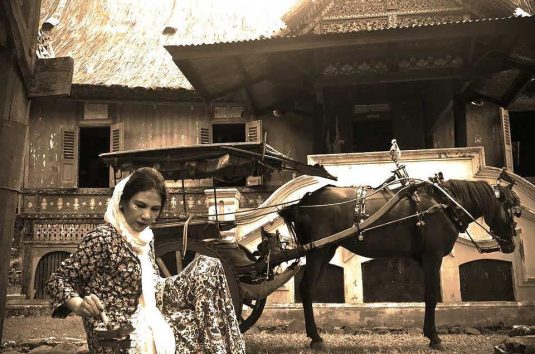
Batik villages are the region where the Batik producers mostly reside and open their Batik workshops, as well as display their Batik products. You could buy the Batik textiles from the artisans and participate in the making process of Batik on the site.
Other Motifs in West Sumatra
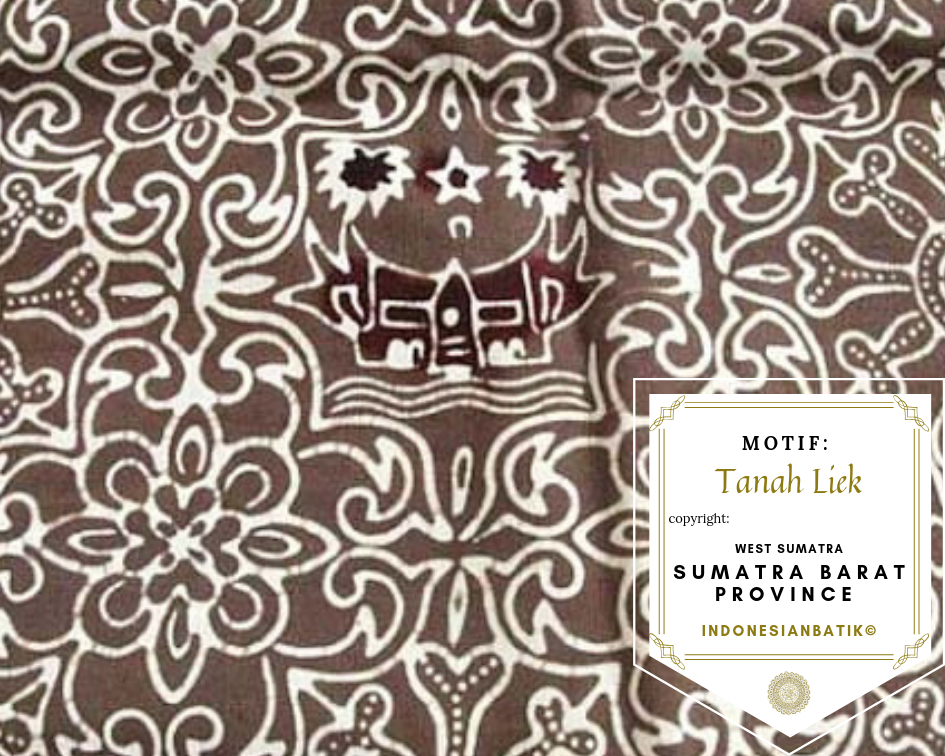
Tanah Liek
The word “Tanah Liek” refers to clay in Minang language. It is also known as
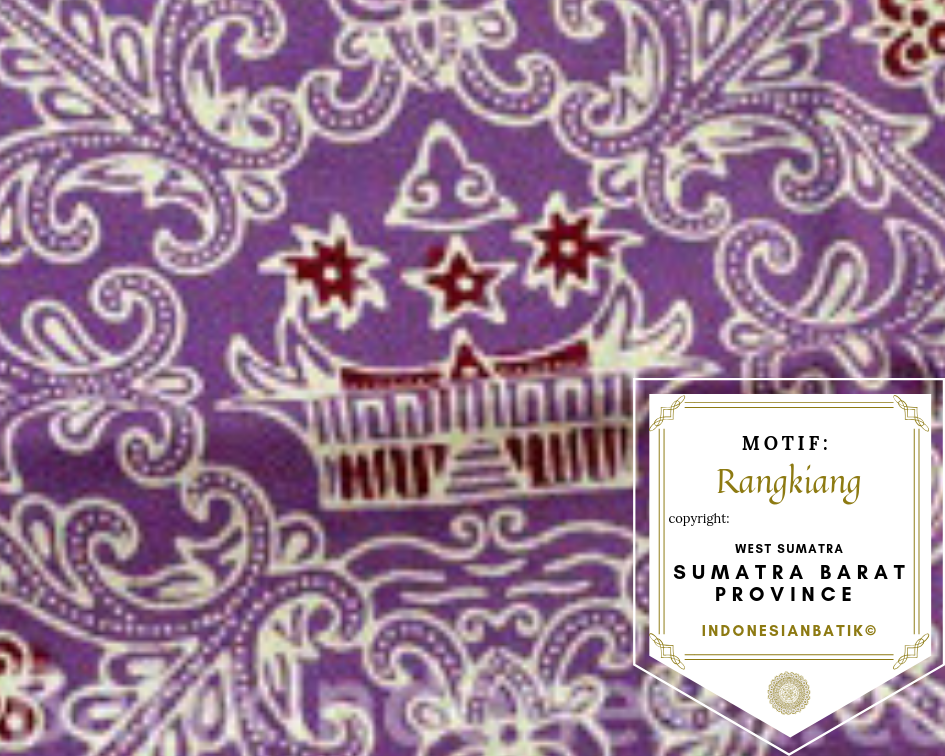
Rangkiang
The word “Rangkiang” refers to the rice granary in the Minangkabau language. It symbolizes