Home / Batik Regions - Western Indonesia - Java Island - Yogyakarta / Kawung Mataram
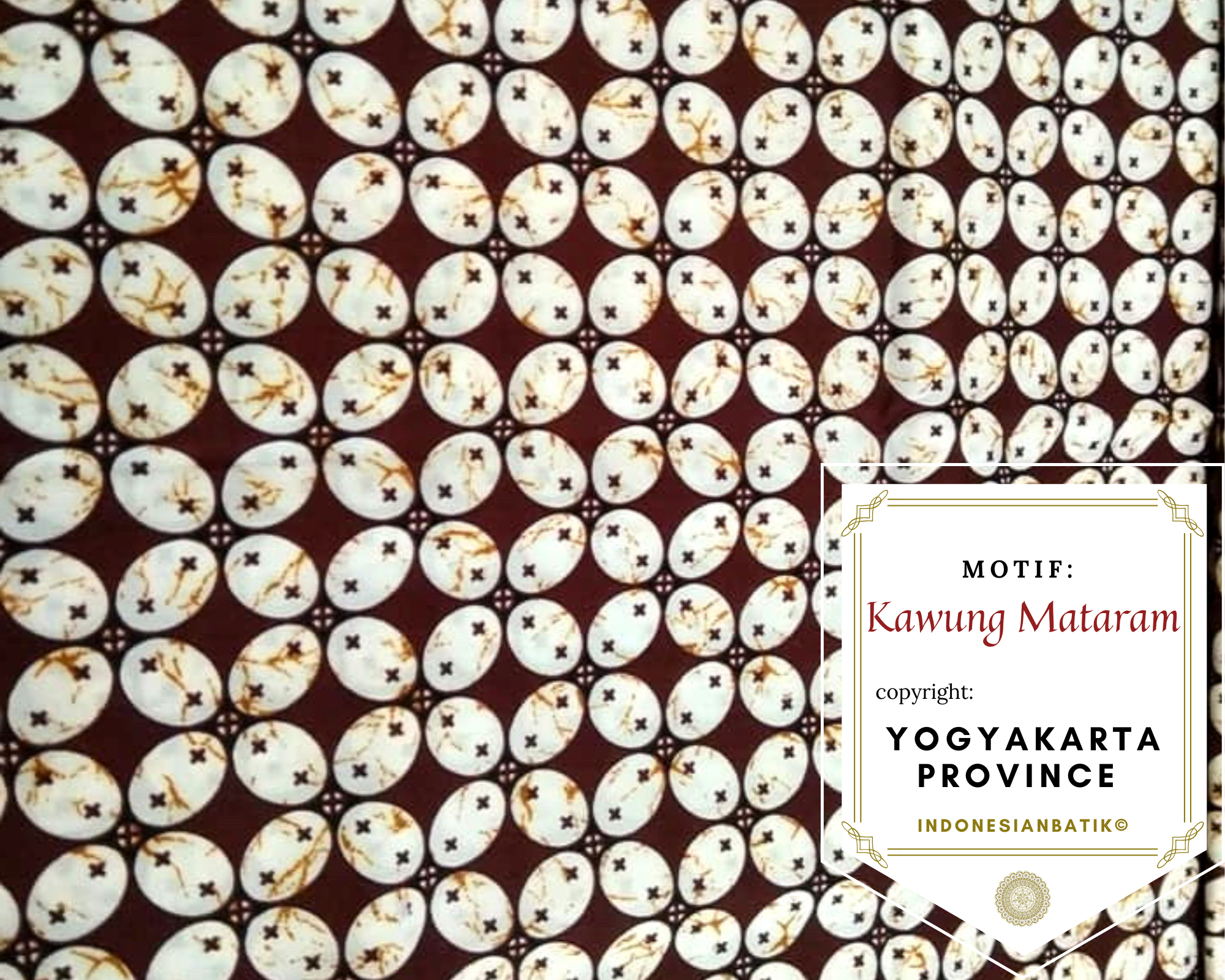
Kawung Mataram
Special Region of Yogyakarta - Java Island, Indonesia
Meanings:
The Kawung motif was created by Sultan Agung Hanyokrokusumo of Mataram Kingdom (1593 – 1645) as a symbolic gift for his son during the imperial succession ceremony. The pattern contains deep philosophical values: it symbolizes the manifestation of the Four Core Powers of the universe (wind, water, fire, earth). It is also a subtle reminder that a leader should master four communication abilities: the ability to communicate with God, to have inner communication with oneself, to communicate with fellow humans, and to communicate with nature. The Kawung motif conveys the wish that the wearer would grow as an excellent and useful person in society.
Note: All contents and batik images are protected by Indonesian cultural property law. This documentation is intended for educational purposes and to facilitate the preservation of Batik UNESCO's intangible cultural heritage 2009. Any use of published materials is allowed only with reference to this website as the original source of publication.
How to preserve Batik
Philosophical Meanings of Batik
Learn and identify the meaning of the motifs from each region. Are you searching for a meaningful gift for your loved ones? Surprise them with a merry little Batik!
Authentic Batik
Buy the authentic handwritten Batik textiles to add to your prestigious collection. Such support will enhance the well-being of Batik artisans and preserve the living heritage.
Batik Community
If you want to meet the Batik artisans, we encourage you to visit and support Batik workshops in Indonesia. You may discover the local tourism that suits your preference!
UNESCO Intangible Cultural Heritage of Humanity in 2009
Batik Production Process in Yogyakarta
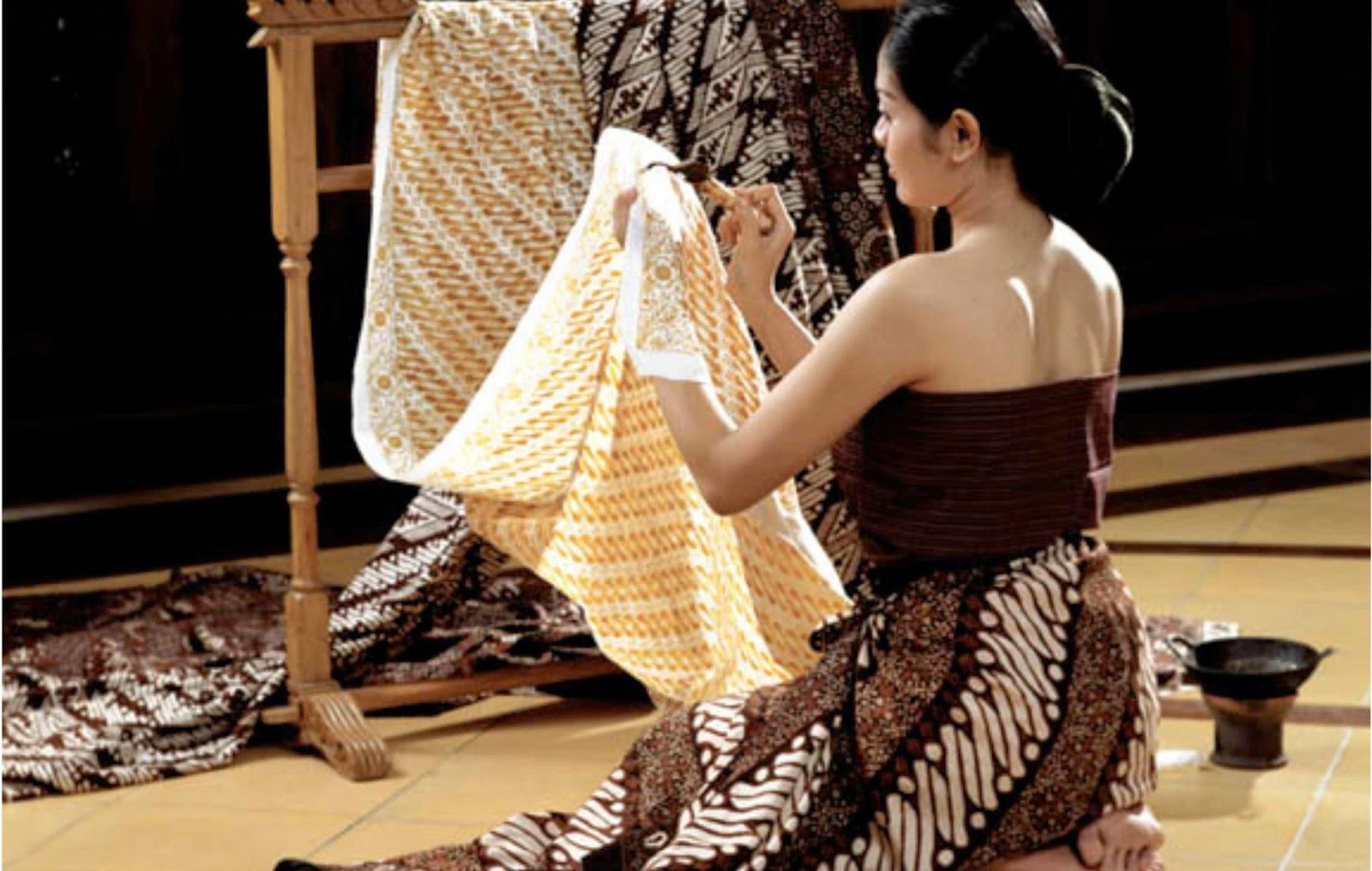
Batik production can take 1 month up to 2 years of working time depending on the purposes of the textile creation and the colour complexity. The Batik handwriting textile is generally made with 8 design steps, ranging from wax patterning to colouring process. The artists use Canting, as a tool to put hot melted wax on the cloth.
Batik Regions
Overview of Yogyakarta Province
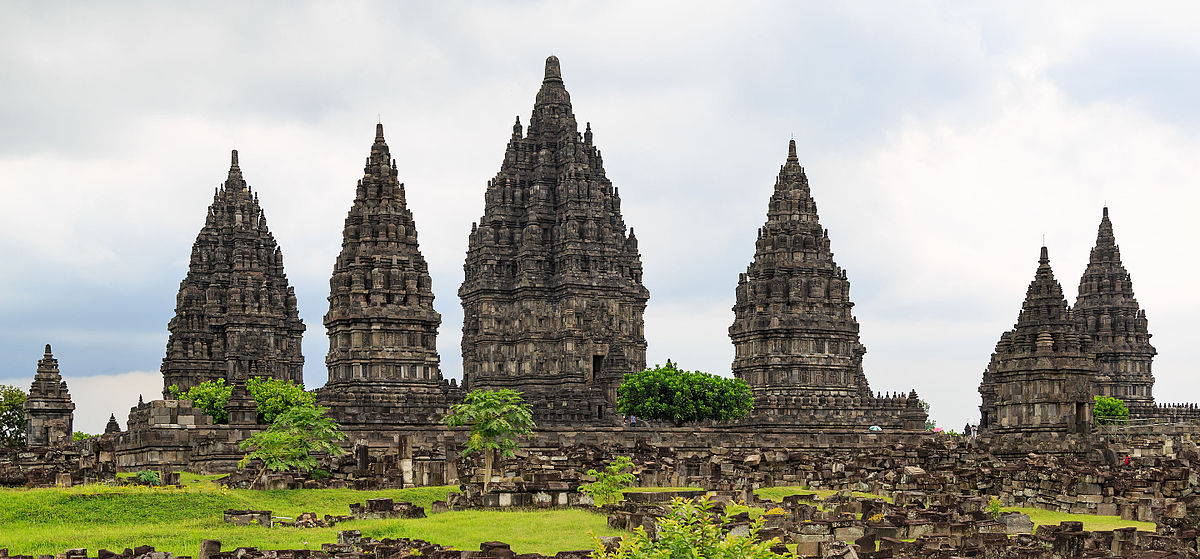
The city of Yogyakarta is known as a student city whose universities hold an important role in education in Indonesia. Yogyakarta is the second largest tourist destination after Bali. It is the location where the famous Prambanan UNESCO WHS is situated. Governed by the Yogyakarta Sultanate, various types of tourism objects are developed in this region.
Batik Villages in Yogyakarta Province
Batik villages are the region where the Batik producers mostly reside and open their Batik workshops, as well as display their Batik products. You could buy the Batik textiles from the artisans and participate in the making process of Batik on the site.
Other Motifs in Yogyakarta
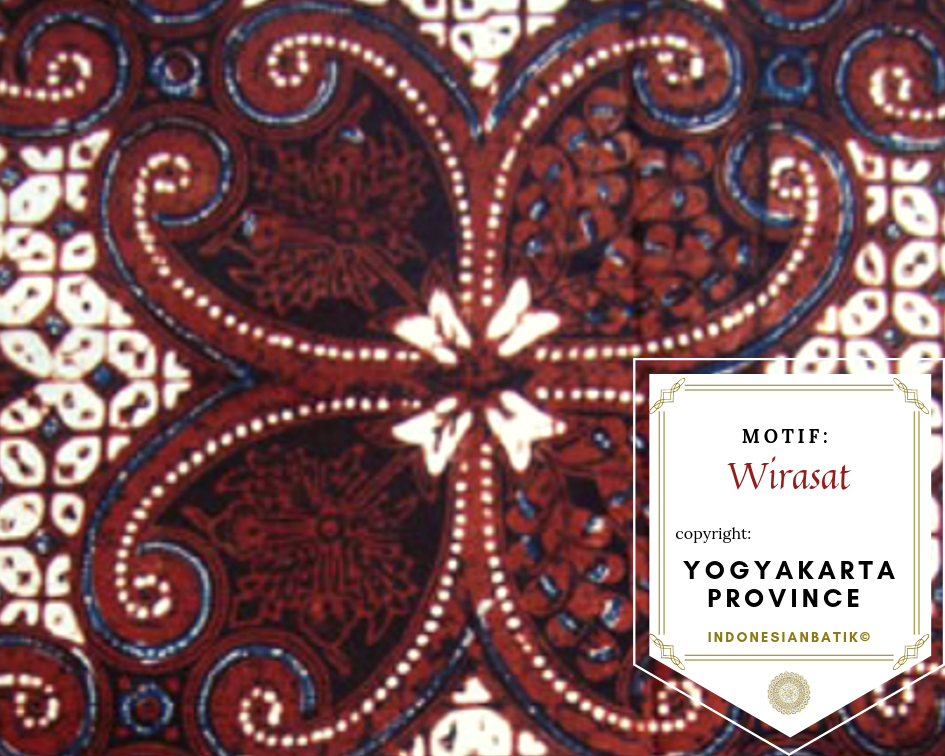
Wirasat
Wirasat or divine inspiration is a gift from God. This inspiration is symbolized by
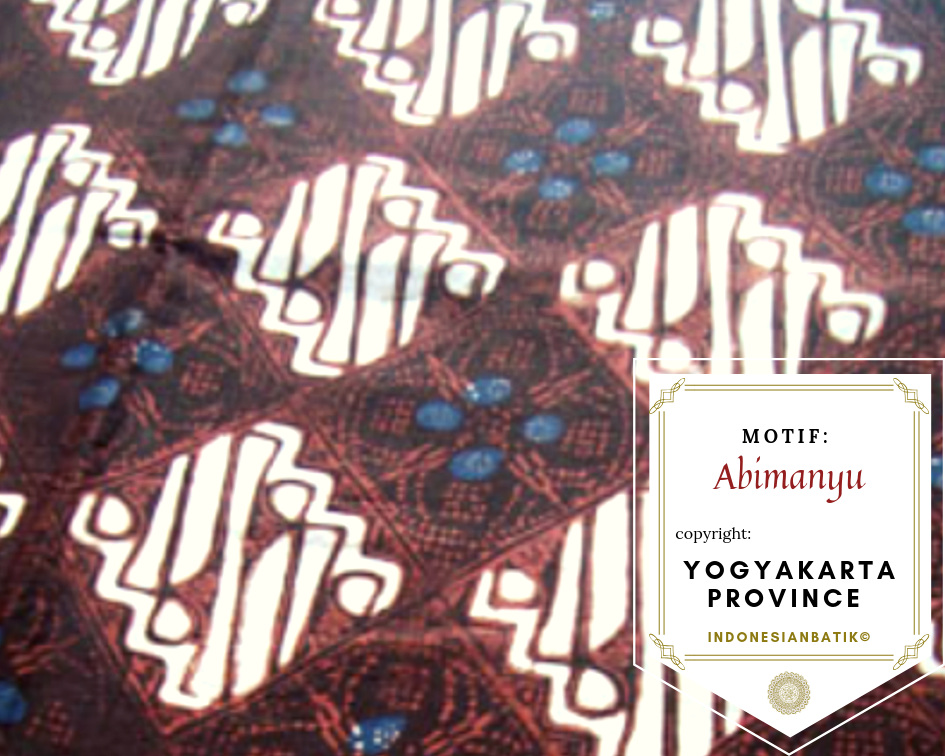
Abimanyu Prince
This motif implies a hope that the wearer will have the wisdom of
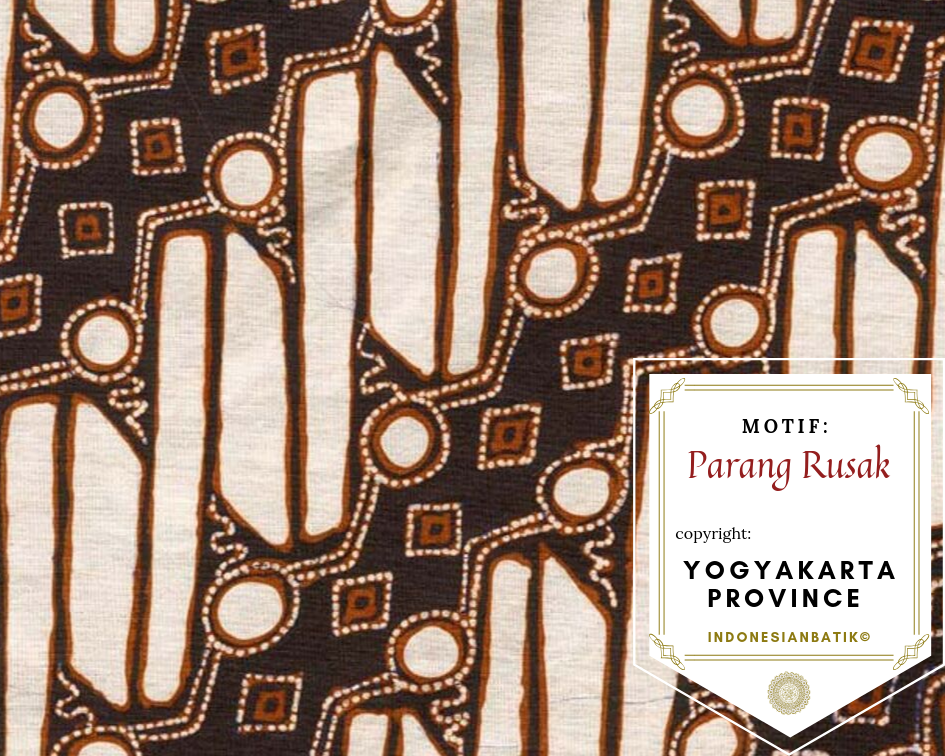
Parang Rusak
Another meaning behind this motif is an unconquerable spirit, symbolized by