
Home / Batik Regions - Western Indonesia - Java Island - Central Java / The Borobudur Temple - UNESCO World Heritage Site
Cultural Destination
Embrace the spirit of the place!
The Borobudur Temple - UNESCO World Heritage Site
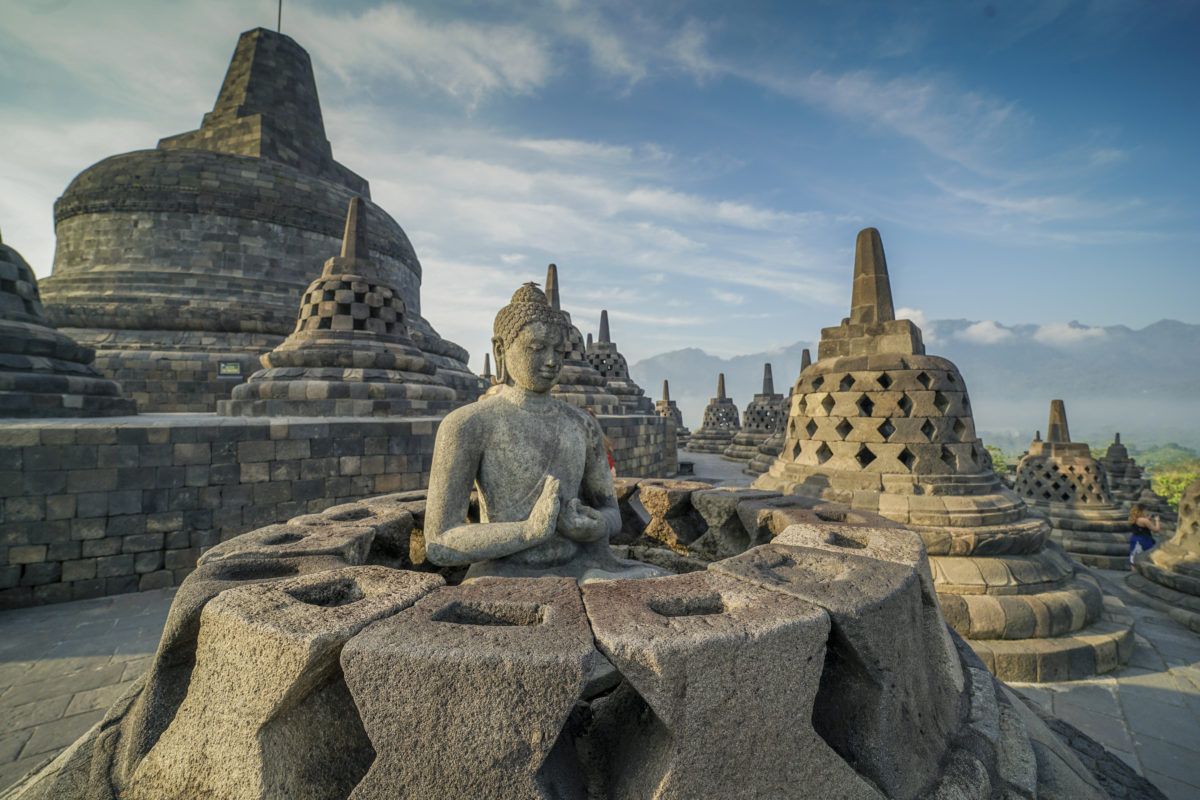
Borobudur Temple Compounds, the UNESCO World Heritage Site (photo: Borobudur Park)
The Borobudur Temple
Famous destination among tourists all over the world, the Borobudur Temple is the biggest Buddhist temple In the world and is inscribed as UNESCO World Heritage Sites in 1991. It has a unique architectural style that reflects Buddhist spiritual values and principles. Surrounded by green hills and lakes, this temple is also situated in a specific location in accordance with astronomical coordinates invented in ancient time. Thanks to this outstanding position, Borobudur temple was appointed as the venue of International Astronomy Olympiad in 2015. The name of "Borobudur" was derived from the Sanskrit words “Vihara Buddah Uhr”, which means the Buddhist Monastery on the hill.
Cultural Tourism Destination
Borobudur Temple - UNESCO World Heritage Sites
Destinasi Wisata di Jawa Tengah
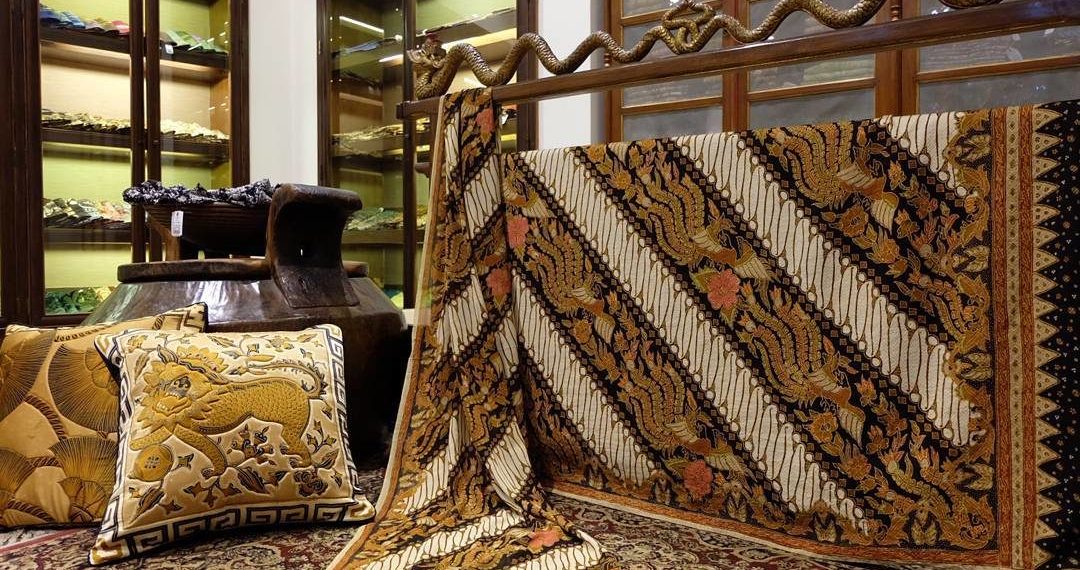
Danar Hadi Batik Museum
Do you want to travel the time through Batik? One of the must visit destination in Central Java is
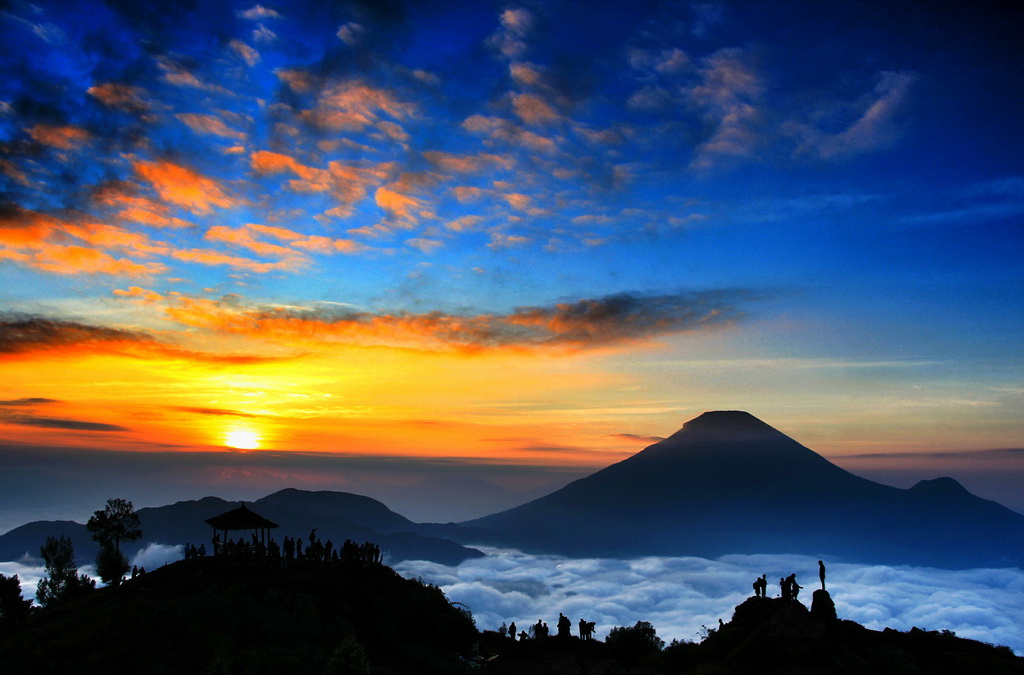
Golden Sunrise in Dieng Plateau
Dieng Plateau mountain complex is a magic place to experience two different kinds of sunrise, which are
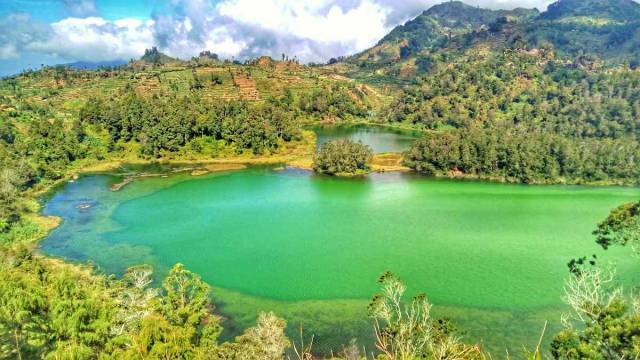
Telaga Warna Lake in Dieng
Telaga Warna or Color Lake is a unique natural phenomena of lake whose colors change frequently. The lake contains high
Central Java
Batik Motifs