Home / Batik Regions - Western Indonesia - Java Island - Banten / Srimanganti
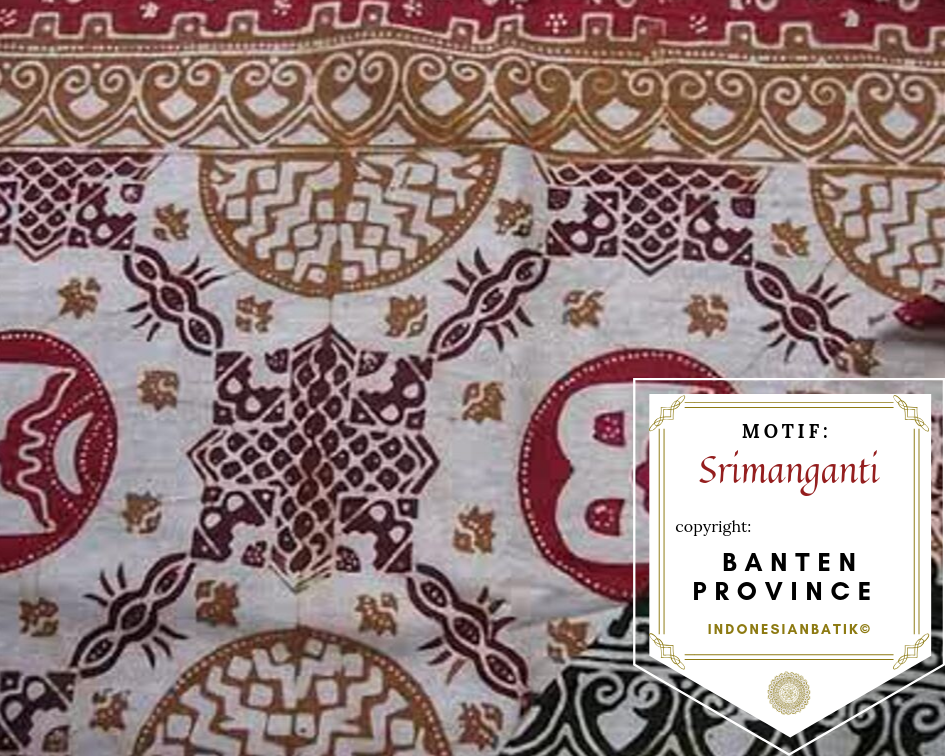
Srimanganti
Banten Province - Indonesia
Meanings:
The name of the Srimanganti motif is derived from the Palace’s hallway that connects to the gate, where royal guests wait for the Sultan to receive them. The word ‘sri’ means ‘king’ and ‘manganti’ means ‘awaiting’. The motif represents a big opportunity that lies ahead and leads to a successful future.
Note: All contents and batik images are protected by Indonesian cultural property law. This documentation is intended for educational purposes and to facilitate the preservation of Batik UNESCO's intangible cultural heritage 2009. Any use of published materials is allowed only with reference to this website as the original source of publication.
How to preserve Batik
Philosophical Meanings of Batik
Learn and identify the meaning of the motifs from each region. Are you searching for a meaningful gift for your loved ones? Surprise them with a merry little Batik!
Authentic Batik
Buy the authentic handwritten Batik textiles to add to your prestigious collection. Such support will enhance the well-being of Batik artisans and preserve the living heritage.
Batik Community
If you want to meet the Batik artisans, we encourage you to visit and support Batik workshops in Indonesia. You may discover the local tourism that suits your preference!
UNESCO Intangible Cultural Heritage of Humanity in 2009
Batik Production Process in Banten
Batik production can take 1 month up to 2 years of working time depending on the purposes of the textile creation and the colour complexity. The Batik handwriting textile is generally made with 8 design steps, ranging from wax patterning to colouring process. The artists use Canting, as a tool to put hot melted wax on the cloth.
Batik Regions

Overview of Banten Province
Banten Province has territorial borders DKI Jakarta and West Java provinces to the east, the Indian Ocean in the south, and Sunda Strait in the west. Banten is famous for the Ujung Kulon natural conservation center, which is designated as UNESCO Natural World Heritage Site in 1992. Banten is one of the important transit port, it is connected to other maritime routes that lead to Southeast Asian regions, Australia and New Zealand.
Batik Villages in Banten Province
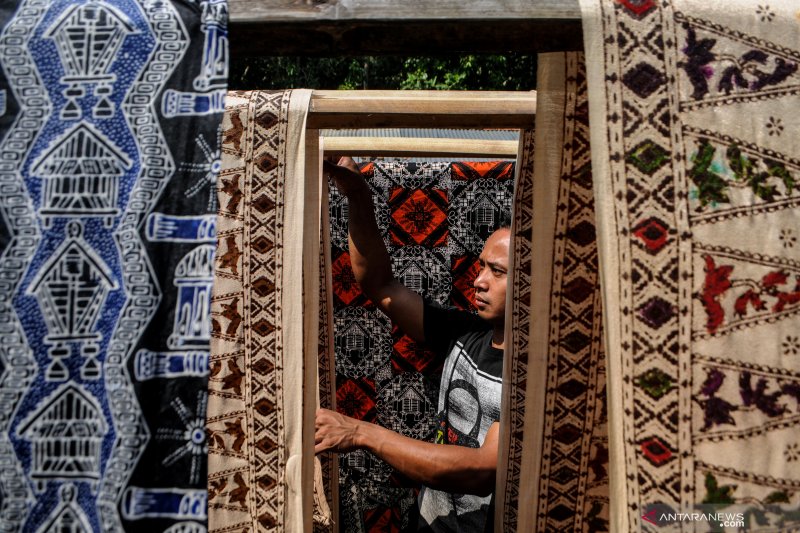
Batik villages are the region where the Batik producers mostly reside and open their Batik workshops, as well as display their Batik products. You could buy the Batik textiles from the artisans and participate in the making process of Batik on the site.
Other Motifs in Banten

Leuit Sijimat
This motif reflects the daily activities of the Baduy tribe in Banten. The main ornaments of batik motif consist of:
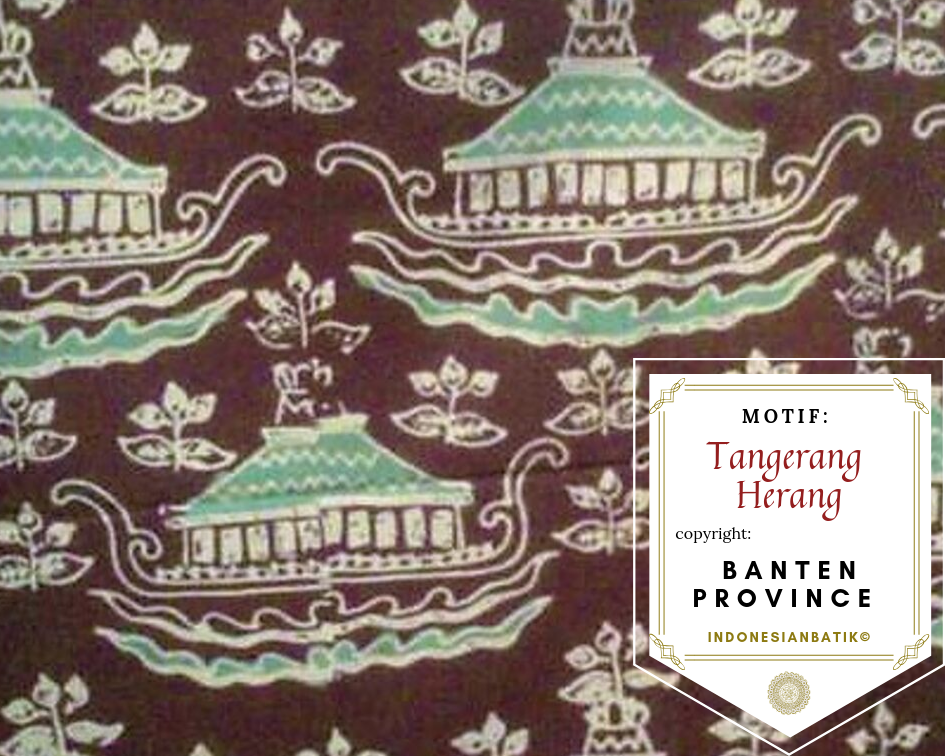
Tangerang Herang
Tangerang Herang motif is a symbol of Tangerang city. The Tangerang Herang batik motif consists of
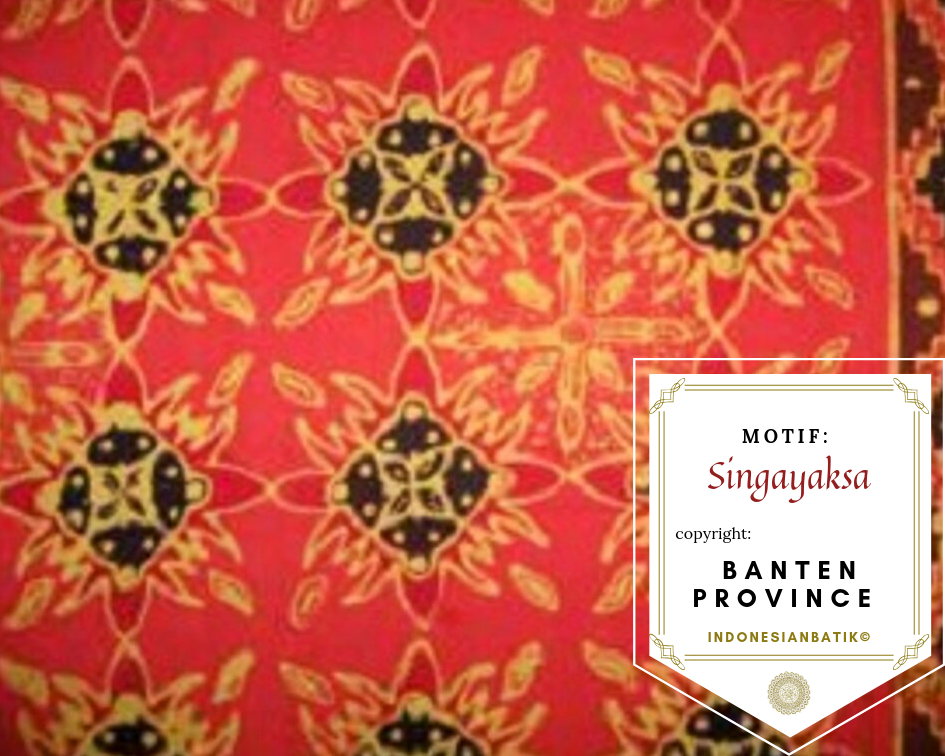
Singayaksa
The Singayaksa motif comes from the name of a place where Sultan Hasanuddin used to