
Home / Batik Regions - Central Indonesia - Sulawesi Island - West Sulawesi / Balla Peu Village
Cultural Destination
Embrace the spirit of the place!
Balla Peu Village
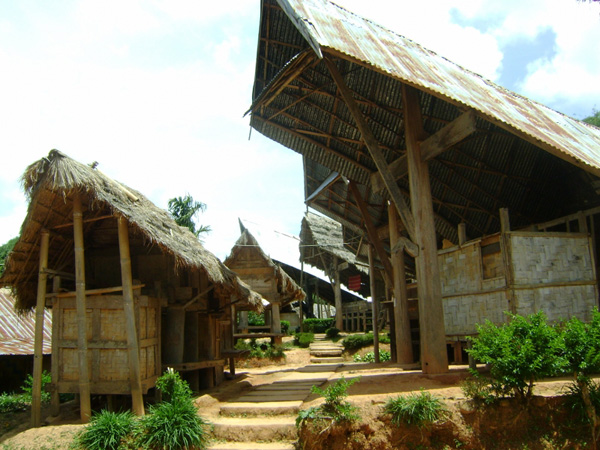
Balla Peu Village (Photo: @Lantangsura)
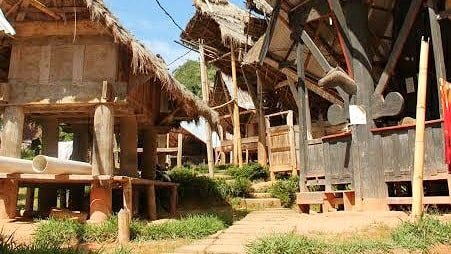
Traditional Architecture in Balla Peu Village (Photo: @Rusmianti19)
Balla Peu Village
If you are interested in rural culture, this place will give them the opportunity to have a deep understanding of the amazing Mamasa culture. Once you arrive in this village, you will have the chance to look at the local architecture which dominates the typical houses of the place. You will be hosted by the local people and have a close look to their traditions, such as the ‘Tenung”. It is a woven cloth with different motifs produced by the women.
Cultural Tourism Destination
Balla Peu Village
Tourist Attractions in West Sulawesi
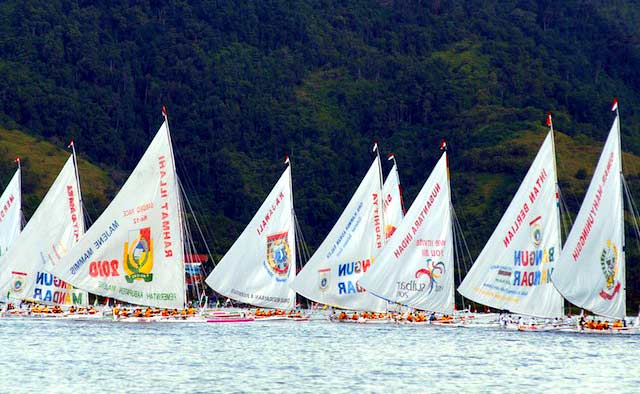
Sandeq Race Festival
Do you want to know one of the world’s fastest wooden boat? Sandeq boat is
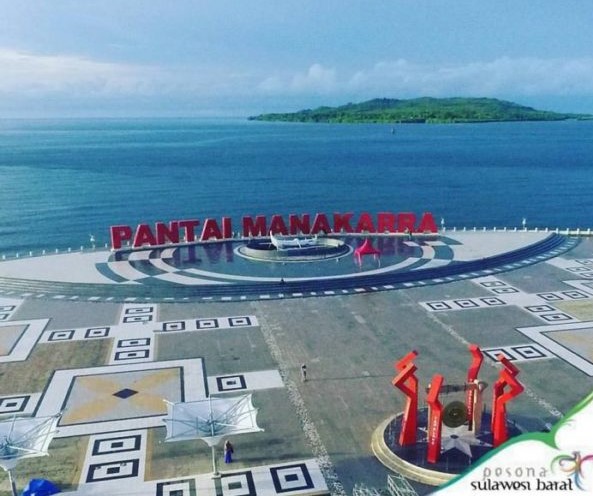
Manakarra Beach in Mamuju
Located in the center of Mamuju City, this beach is a unique landmark with an outstanding
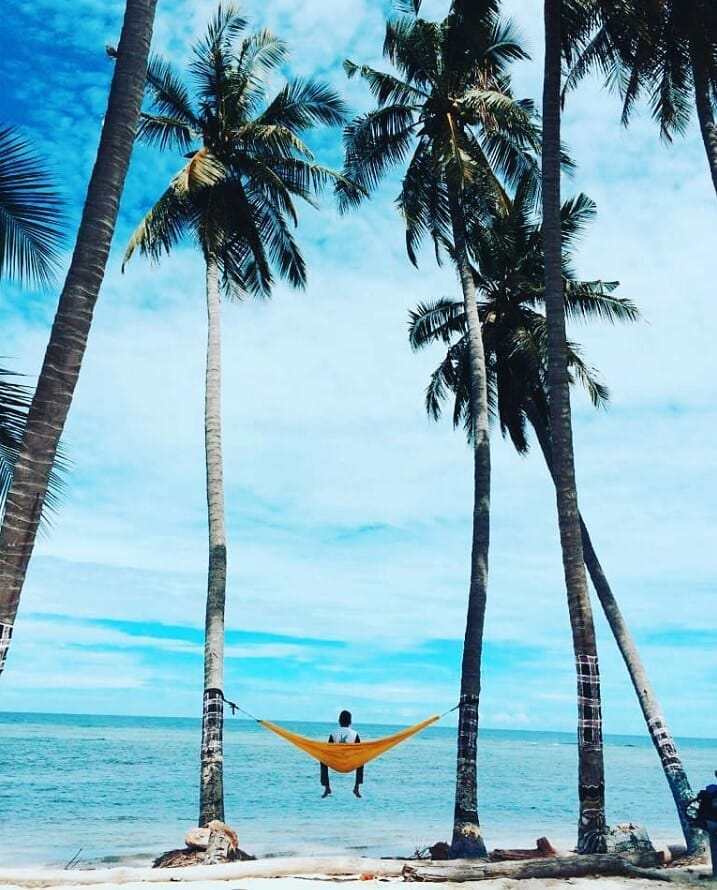
Palipis Beach
If the main objective of your vacation is to escape from
West Sulawesi
Batik Motifs