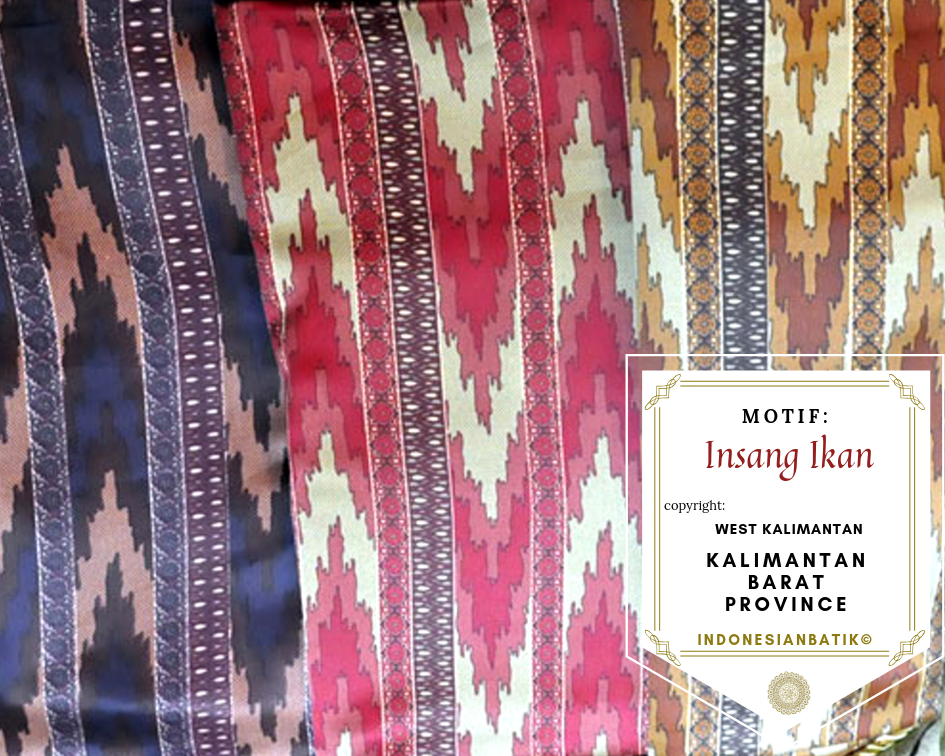
Insang Ikan
West Kalimantan Province - Indonesia
Meanings:
“Insang ikan” means the gills of the fish. This is a typical pattern used by the Malays who live along the banks of Kapuas River. It symbolizes people’s sense of gratitude to God. It also signifies a reflection on the most important part of a fish, the part that allows them to breathe and live.
Note: All contents and batik images are protected by Indonesian cultural property law. This documentation is intended for educational purposes and to facilitate the preservation of Batik UNESCO's intangible cultural heritage 2009. Any use of published materials is allowed only with reference to this website as the original source of publication.
How to preserve Batik
Philosophical Meanings of Batik
Learn and identify the meaning of the motifs from each region. Are you searching for a meaningful gift for your loved ones? Surprise them with a merry little Batik!
Authentic Batik
Buy the authentic handwritten Batik textiles to add to your prestigious collection. Such support will enhance the well-being of Batik artisans and preserve the living heritage.
Batik Community
If you want to meet the Batik artisans, we encourage you to visit and support Batik workshops in Indonesia. You may discover the local tourism that suits your preference!
UNESCO Intangible Cultural Heritage of Humanity in 2009
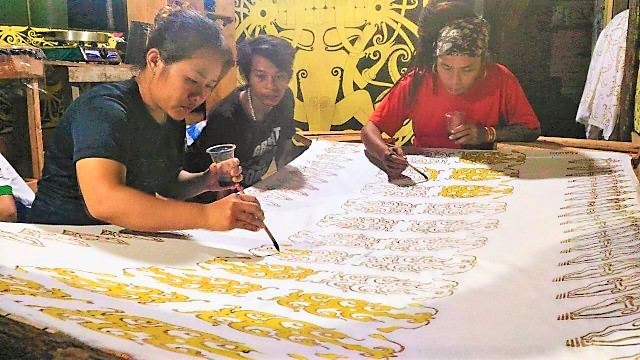
Batik Production Process in West Kalimantan
Batik production can take 1 month up to 2 years of working time depending on the purposes of the textile creation and the colour complexity. The Batik handwriting textile is generally made with 8 design steps, ranging from wax patterning to colouring process. The artists use Canting, as a tool to put hot melted wax on the cloth.
Batik Regions
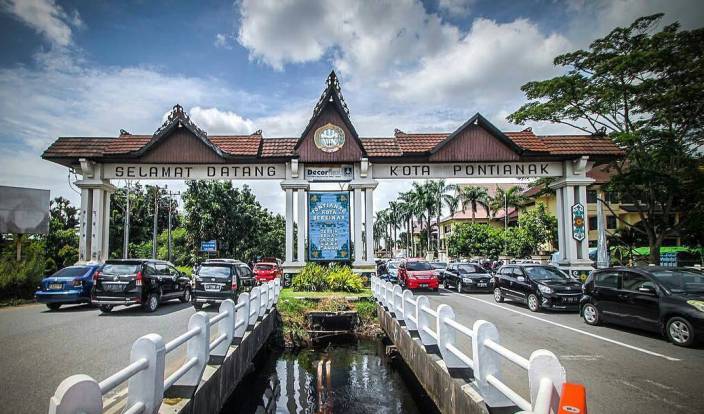
Overview of West Kalimantan Province
The Province of West Kalimantan is located on the island of Kalimantan. The capital of this province is Pontianak, whose latitude is crossed by the Equator line (Zero latitudes). The most dominant ethnic groups in West Kalimantan are Dayak (34.93%) and Malay (33.84%). The Dayaks mostly inhabit the countrysides while the majority of Malay ethnic lives in the coastal area. The other ethnic groups are Javanese, Chinese, Madurese and Bugis. Chinese ethnic inhabits some cities like Singkawang and Pontianak.
Batik Villages in West Kalimantan Province
Batik villages are the region where the Batik producers mostly reside and open their Batik workshops, as well as display their Batik products. You could buy the Batik textiles from the artisans and participate in the making process of Batik on the site.
Other Motifs in West Kalimantan
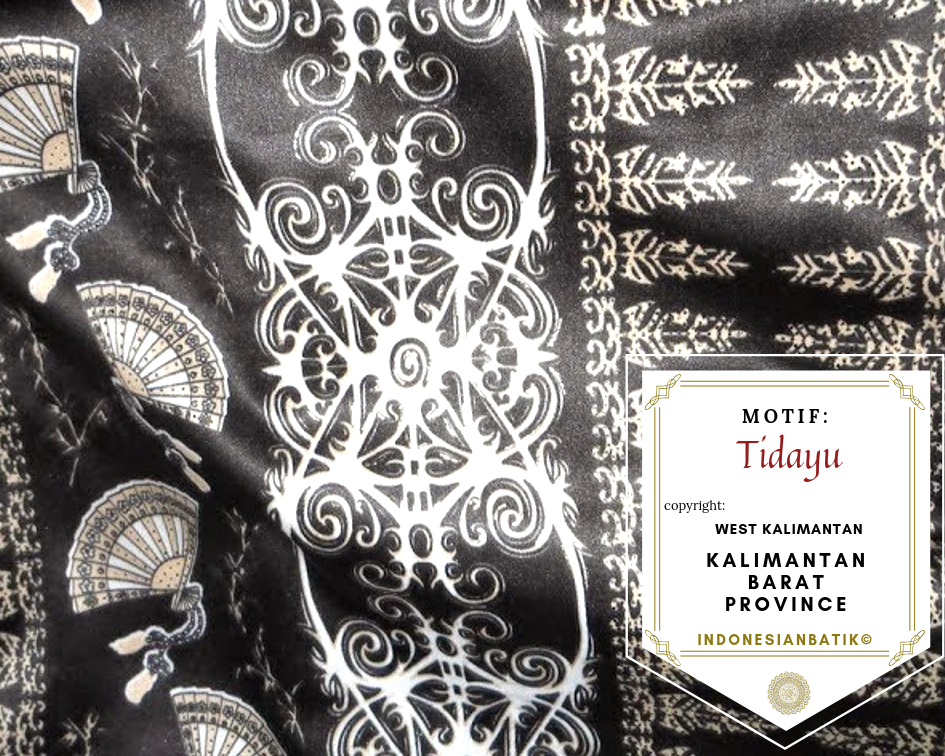
Tidayu
The name of this motif is the acronym of three ethnics namely,
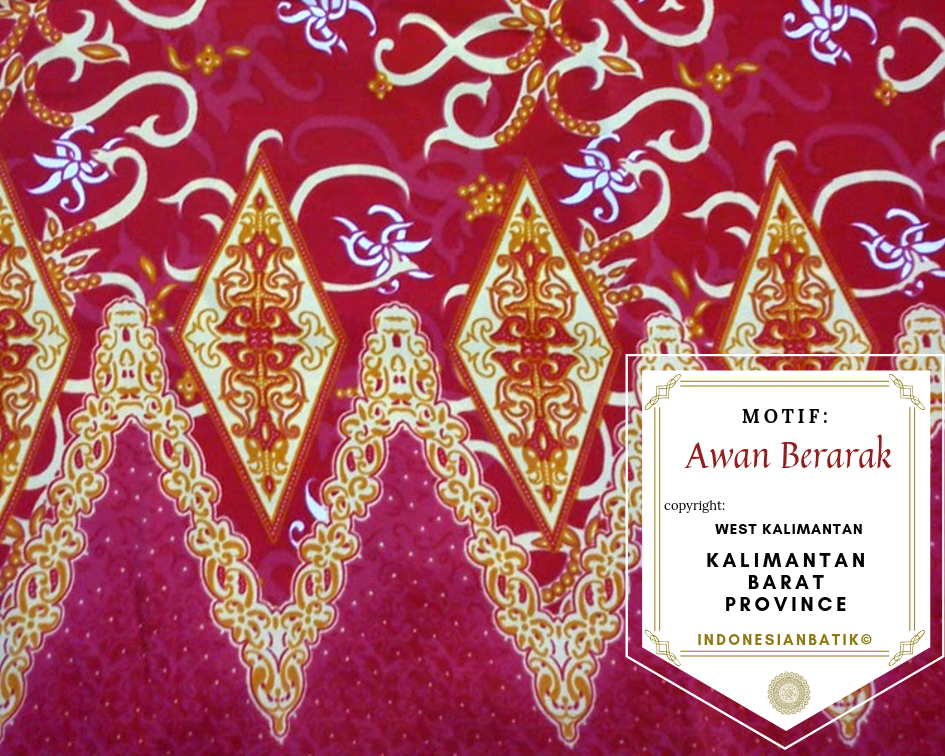
Awan Berarak
Awan Berarak is a combination of Dayak motifs and Malay patterns. The word ‘Awan Berarak’ means the
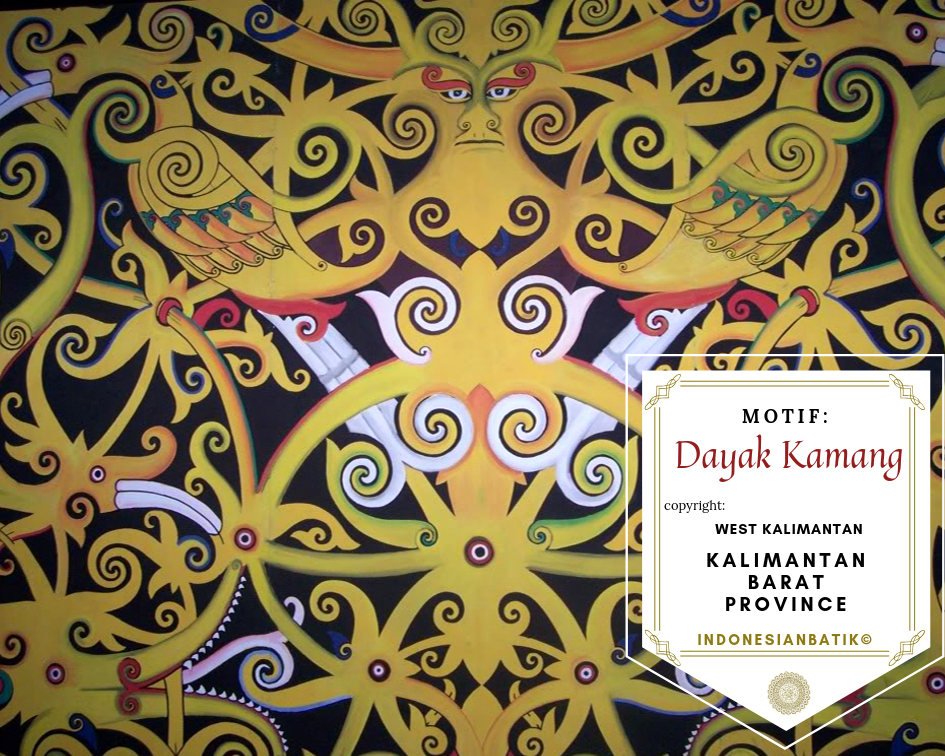
Dayak Kamang
Kamang motif is generally found in the Dayak tribe shield because it is believed to