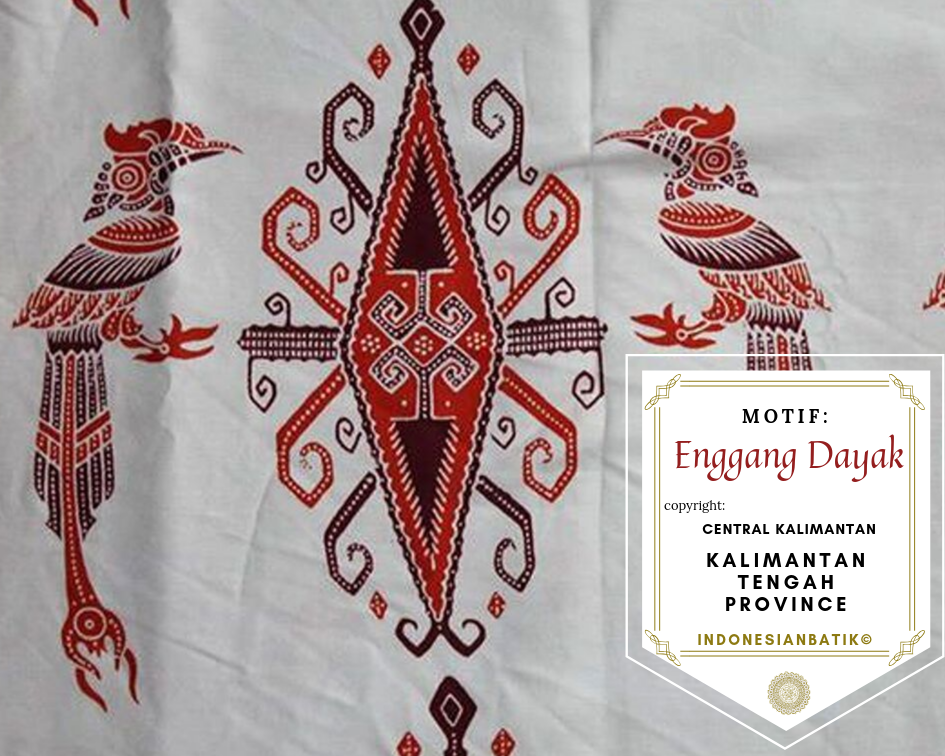
Enggang Dayak
Central Kalimantan Province – Indonesia
Meanings:
“Enggang” is the native word for the hornbill bird. This motif represents the closeness of the Indonesian Dayak society with nature. All parts of the hornbill’s body symbolize the greatness and glory of the tribe, while the bird itself symbolizes peace and unity: Its strong wings symbolize a leader who always protects his people, while its long tail is considered a sign of prosperity of the Dayak people. In addition, hornbills are also used as an example of family life in the community. It represents unconditional love towards spouses and nurturance of children so that they become independent and mature people.
It cannot be emphasized enough that the Dayak of Kalimantan are very close to the hornbill. The bird always features in different Dayak myths and folk stories in each region of the island. Among other things, the local people believe that hornbills are the Commander of the Birds. It has supernatural power and will only be present during the war. In general, these birds are considered sacred and people are prohibited from hunting, let alone eating them.
Note: All contents and batik images are protected by Indonesian cultural property law. This documentation is intended for educational purposes and to facilitate the preservation of Batik UNESCO’s intangible cultural heritage 2009. Any use of published materials is allowed only with reference to this website as the original source of publication.
How to preserve Batik
Philosophical Meanings of Batik
Learn and identify the meaning of the motifs from each region. Are you searching for a meaningful gift for your loved ones? Surprise them with a merry little Batik!
Authentic Batik
Buy the authentic handwritten Batik textiles to add to your prestigious collection. Such support will enhance the well-being of Batik artisans and preserve the living heritage.
Batik Community
If you want to meet the Batik artisans, we encourage you to visit and support Batik workshops in Indonesia. You may discover the local tourism that suits your preference!
Batik Production Process in Central Kalimantan
Batik production can take 1 month up to 2 years of working time depending on the purposes of the textile creation and the colour complexity. The Batik handwriting textile is generally made with 8 design steps, ranging from wax patterning to colouring process. The artists use Canting, as a tool to put hot melted wax on the cloth.
Batik Regions
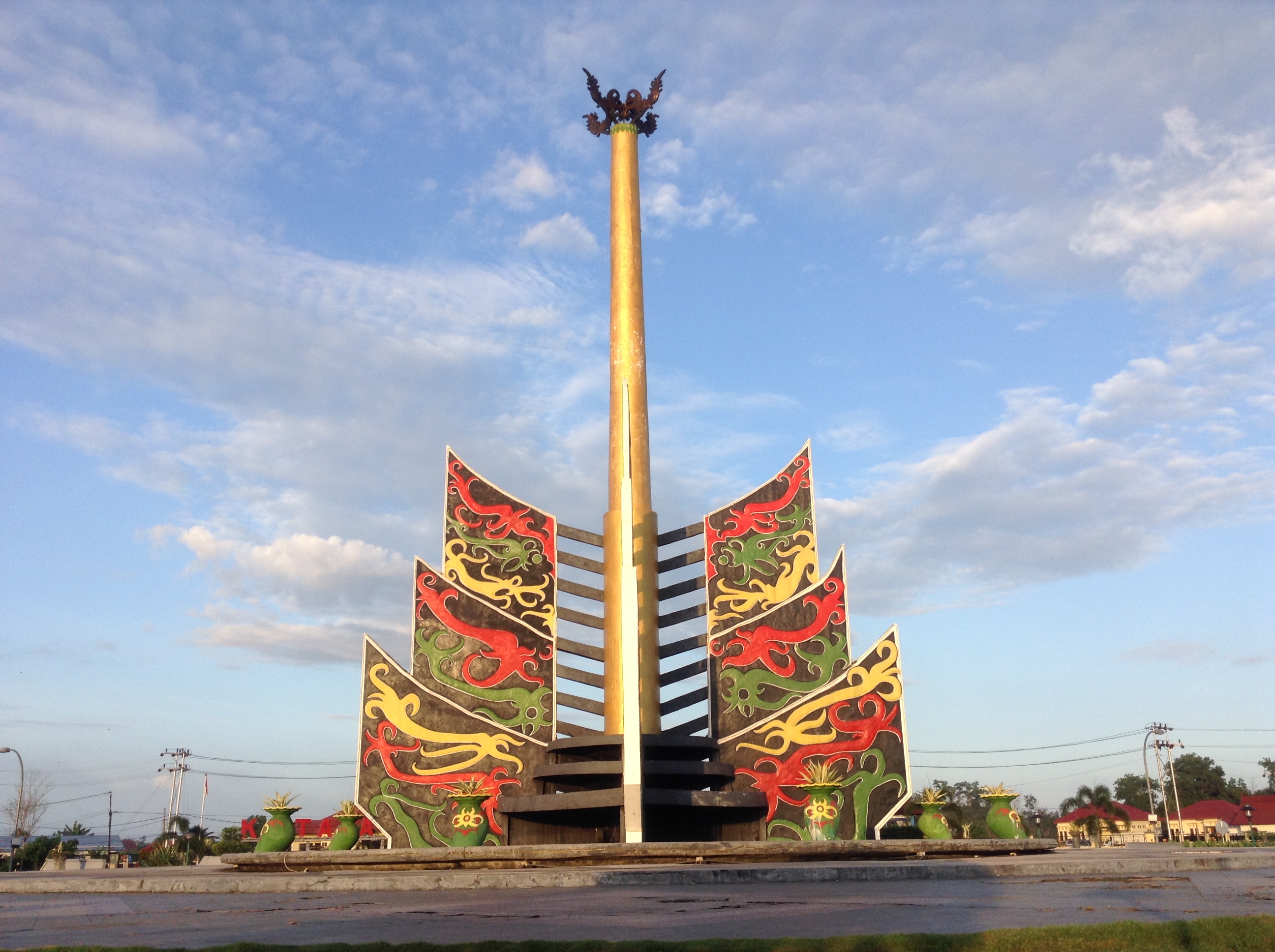
Overview of Central Kalimantan Province
Central Kalimantan is known for its peaceful and harmonious society. Due to their collective efforts to maintain harmonious social ties between communities, this region is designated as the Land of Pancasila. Pancasila is the Indonesian philosophical state foundation that upholds five principles namely the belief in one Almighty God, social justice, humanity, democracy and unity in diversity.
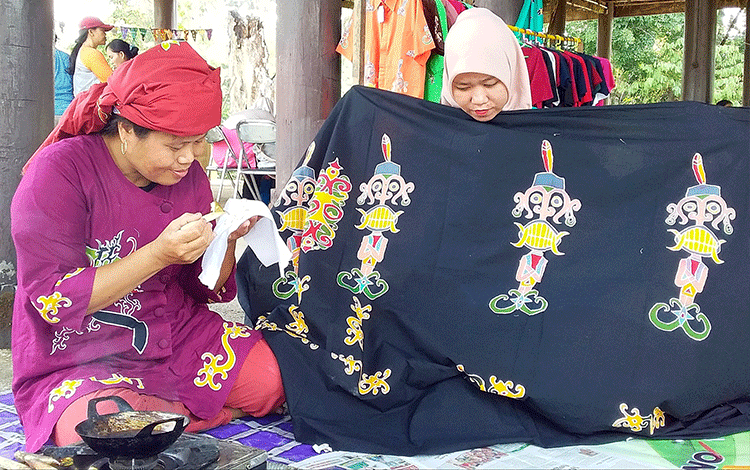
Batik Villages in Central Kalimantan Province
Batik villages are the region where the Batik producers mostly reside and open their Batik workshops, as well as display their Batik products. You could buy the Batik textiles from the artisans and participate in the making process of Batik on the site.
Other Motifs in Central Kalimantan
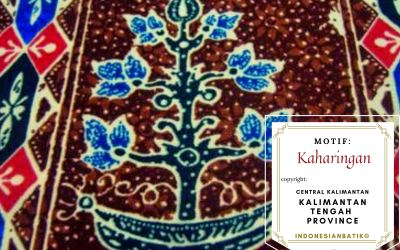
Kaharingan
The Kaharingan or ‘tree of life’ based on the Dayak tribes’ belief system. This tree symbolizes
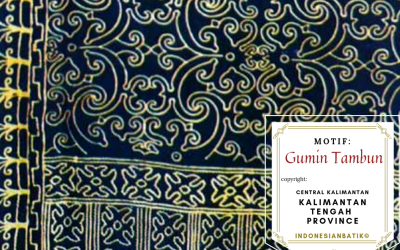
Gumin Tambun
Based on Hindu mythology, this motif symbolizes lucks, abundant wealth, and
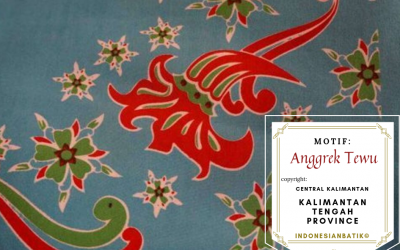
Anggrek Tewu
This motif is created based on the local wisdom and philosophy of