
Home / Batik Regions - Western Indonesia - Java Island - Yogyakarta / Yogyakarta Royal Palace
Cultural Destination
Embrace the spirit of the place!
Yogyakarta Royal Palace
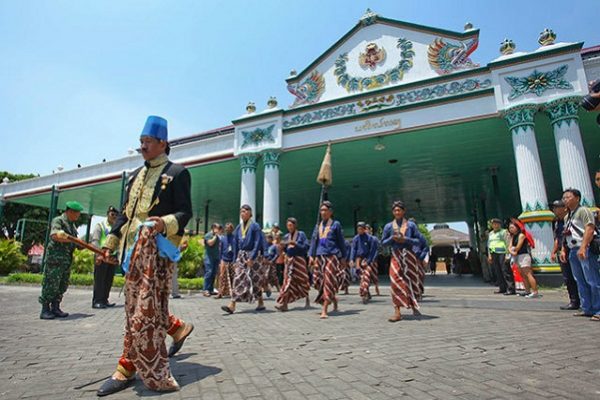
Yogyakarta Sultanate (photo:@Basukisucipto)
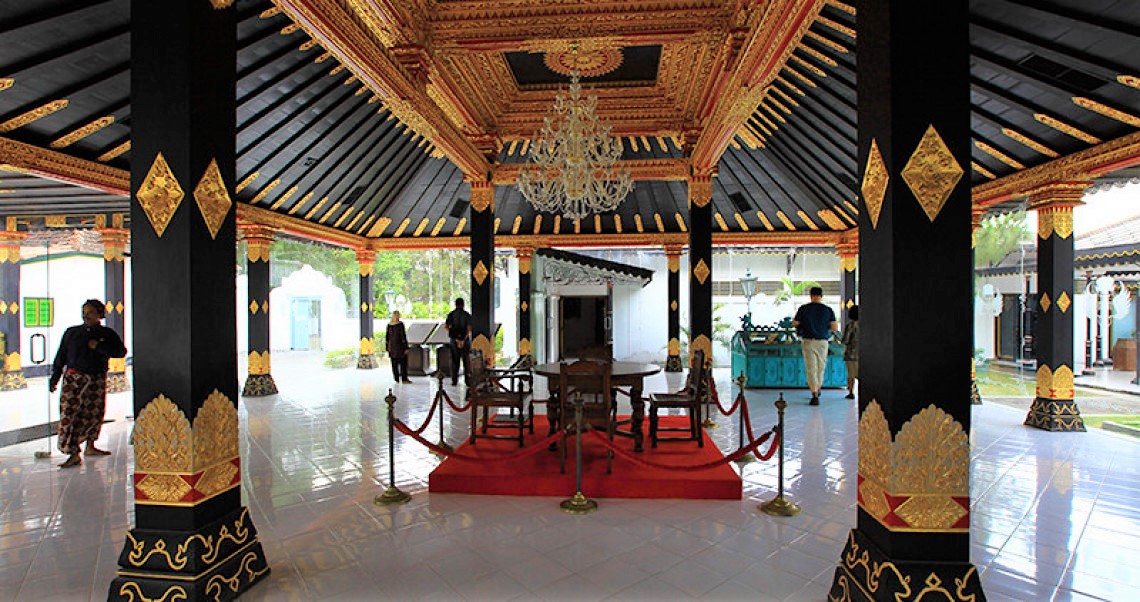
Outer Hall in the Yogyakarta Royal Palace (photo: Pesona Indonesia)
Yogyakarta Royal Palace
It is the Sultan’s Palace, located right in the middle of Yogyakarta city. Here people can experience the royal atmosphere and witness the royal heritage stored since the foundation of Mataram Empire in 1755. Several cultural celebration events are held regularly in the royal palace. Here, you are not only experiencing life-size diorama of royal lifestyle but occassionally you could also to its wonderful royal wedding ceremonies and watch traditional wayang puppets performance on the palace meeting hall.
Cultural Tourism Destination
Yogyakarta Royal Palace
Tourist Attractions in Yogyakarta
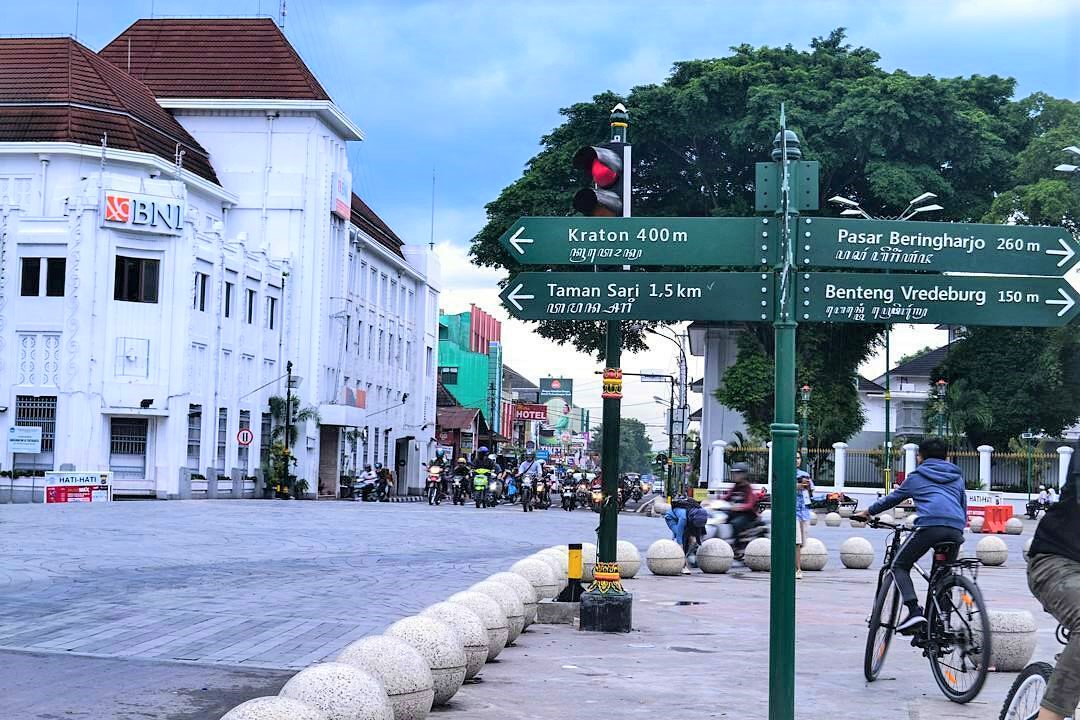
Yogyakarta City of Culture
This city represents the most magnificent cultural spot of Java. Settled in 1755, Yogyakarta is
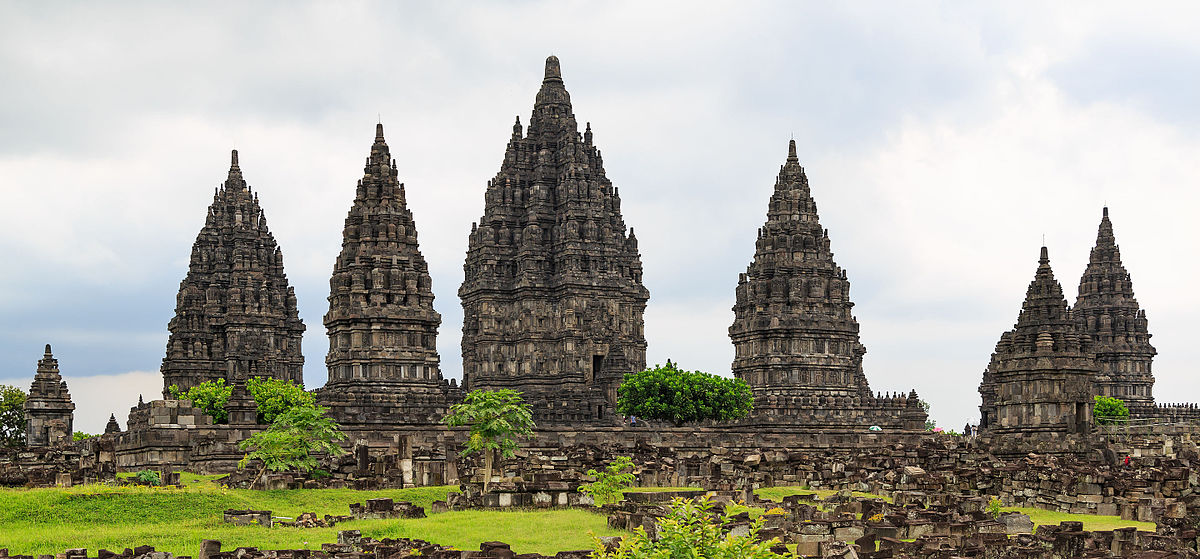
Prambanan Temple
One of the most important Hindu complex of temples built in 850 AD
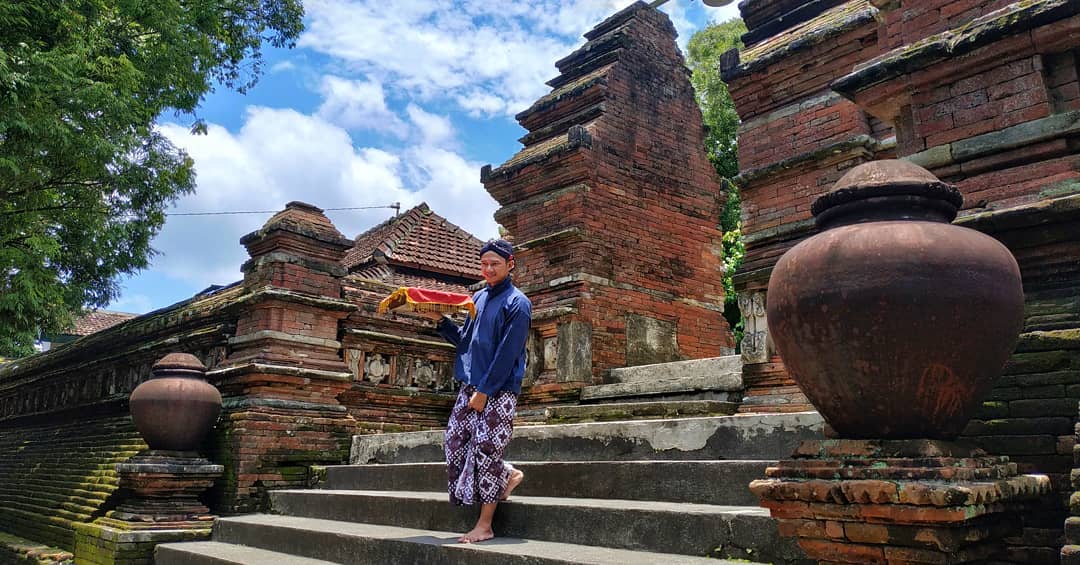
Imogiri Royal Cemetery
You may think that cemeteries are not the perfect spot to visit if you are on vacation?
Yogya
Batik Motifs