
Home / Batik Regions - Western Indonesia - Southern Sumatra - Lampung / Pahawang Island
Nature Destination
Experience the Tropical Nature!
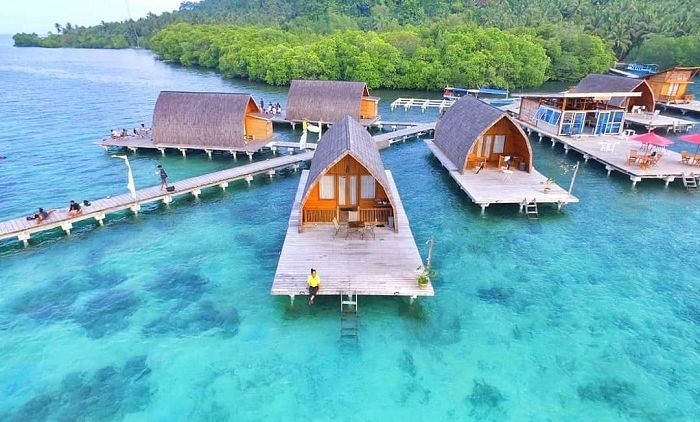
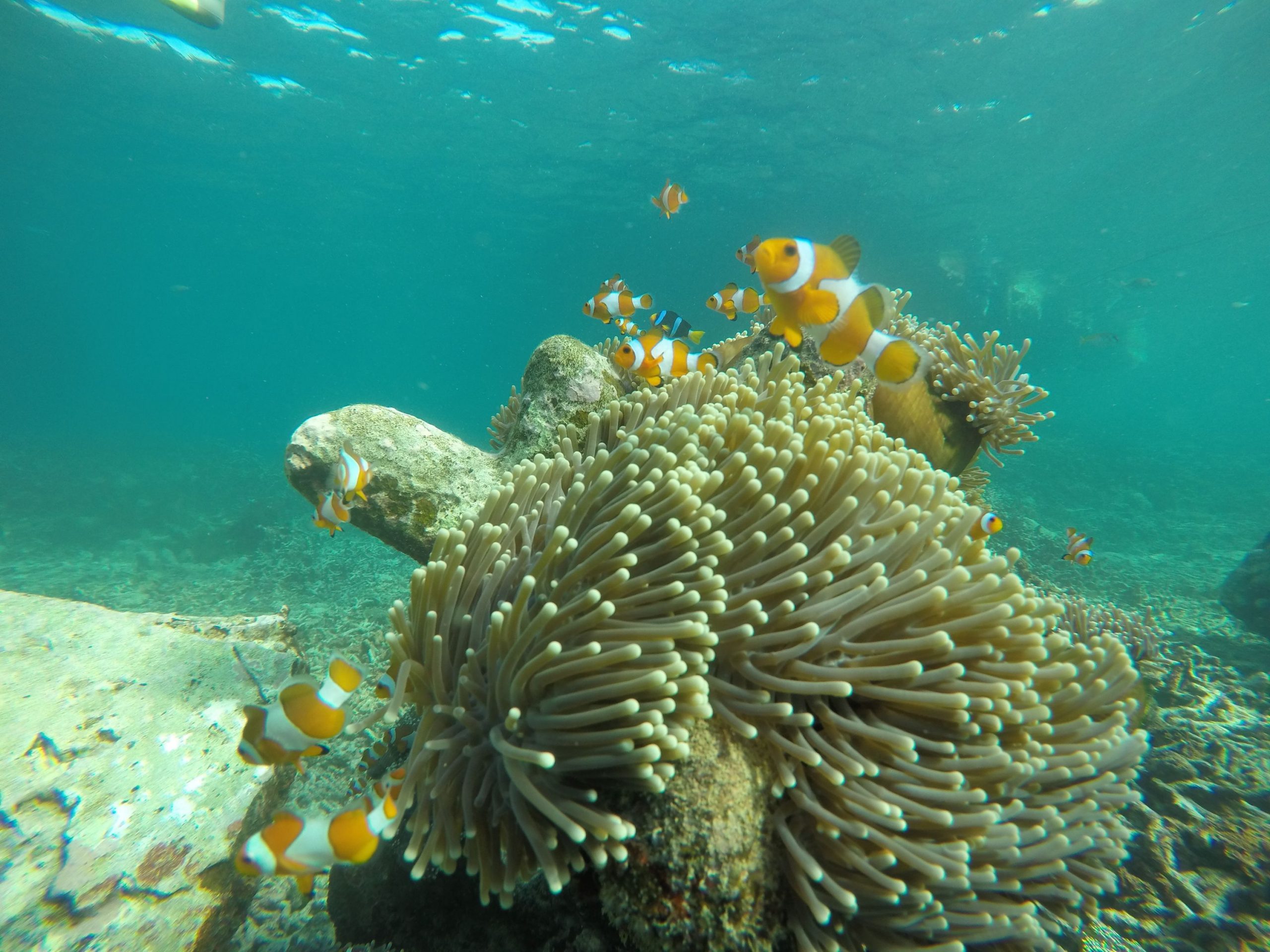
The Underwater Marine Park (photo: @Ayu Dewanti)
Pahawang Island
Pahawang Island has an amazing natural marine ecosystem. The island definitely has beautiful white sands, crystal clear blue water, and some wooden resorts with a relaxing atmosphere. The tourists can also find several coral reef conservation locations at several points surrounding Pahawang Island. Diving at a depth of 2-4 meters, tourists will meet a variety of tropical marine creatures such as the Nemo Fish. Prepare your next visit to Pahawang Island in Lampung!
Natural Tourism Destination
Pahawang Island in Lampung
Tourist Attractions in Lampung
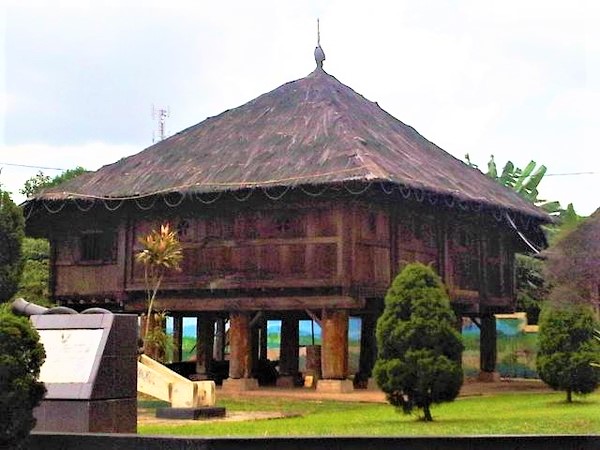
Kenali Village
Every region in Indonesia has a particular traditional house that represents
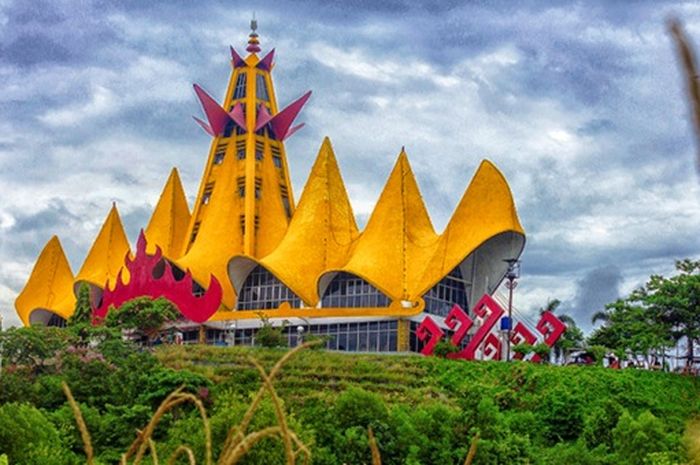
Bandar Lampung City
It is the capital city in this region. Despite its congested town, it is full of
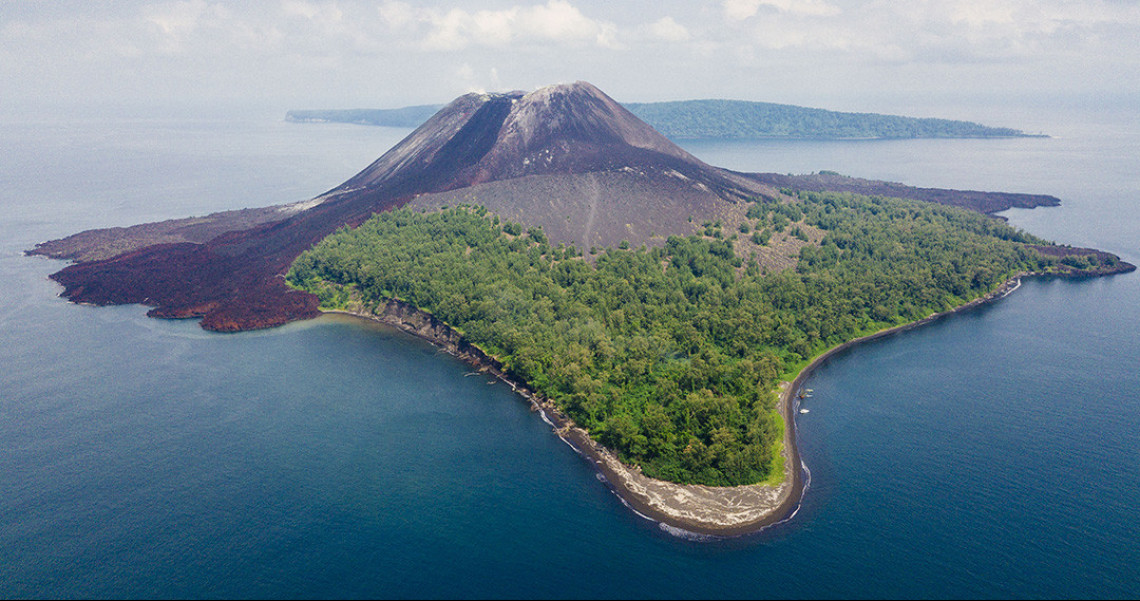
Krakatau Volcano
Krakatau remains one of the world most well-known volcanoes due to its
Lampung
Batik Motifs