
Home / Batik Regions - Western Indonesia - Southern Sumatra - Lampung / Kenali Traditional Village
Cultural Destination
Embrace the spirit of the place!
Kenali Traditional Village
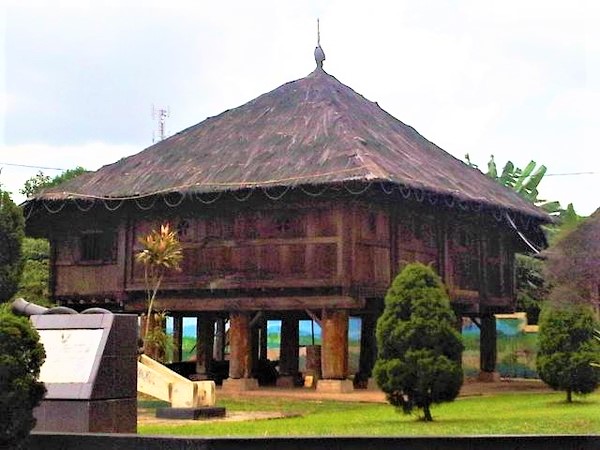
The Lampung traditional house, called Lamban Pesagi (photo: @travel.detik)
Kenali Traditional Village
Every region in Indonesia has a particular traditional house that represents the area, culture or the way the ancestors live for generations. In Lampung, the wooden traditional stage house is called Lamban Pesagi. The bottom part of the house serves as a place to save livestock and crops. Located in West Lampung, the Kenali Traditional Village is an instance of this tradition.
Cultural Tourism Destination
Kenali Traditional Village, West Lampung
Tourist Attractions in Lampung
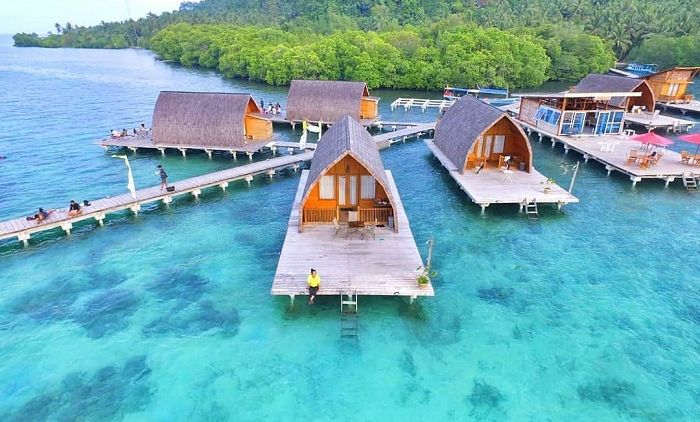
Pahawang Island
Pahawang Island has an amazing natural marine ecosystem. The island definitely has
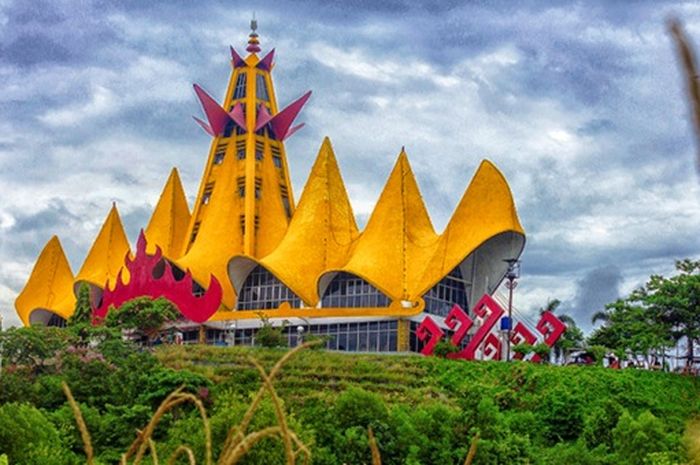
Bandar Lampung City
It is the capital city in this region. Despite its congested town, it is full of
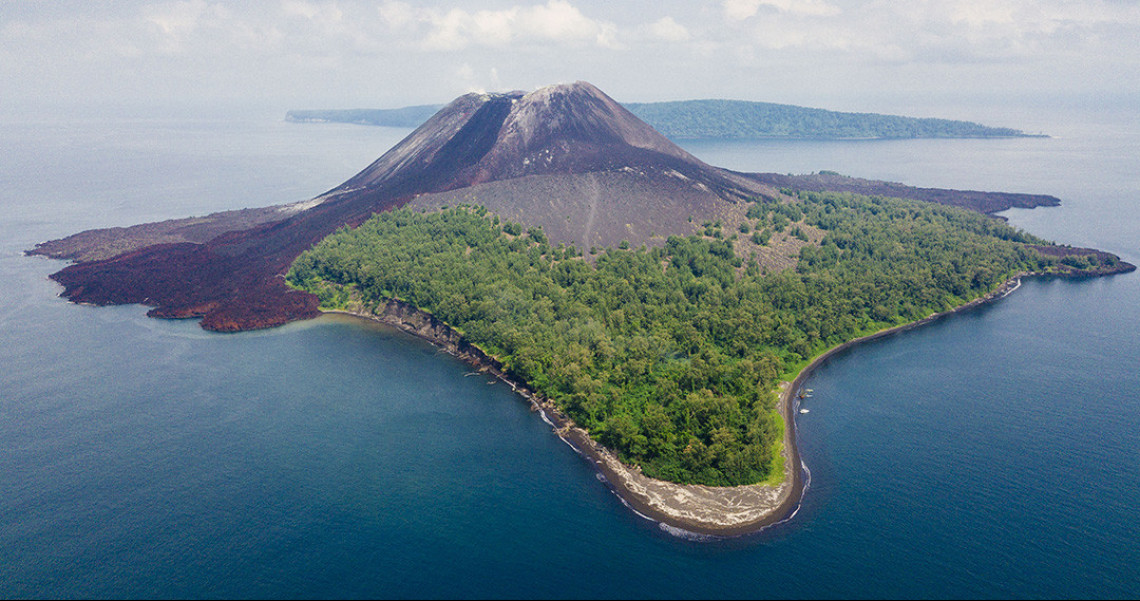
Krakatau Volcano
Krakatau remains one of the world most well-known volcanoes due to its
Lampung
Batik Motifs