
Home / Batik Regions - Western Indonesia - Java Island - Yogyakarta / Imogiri Royal Cemetery in Bantul
Cultural Destination
Embrace the spirit of the place!
Imogiri Royal Cemetery in Bantul
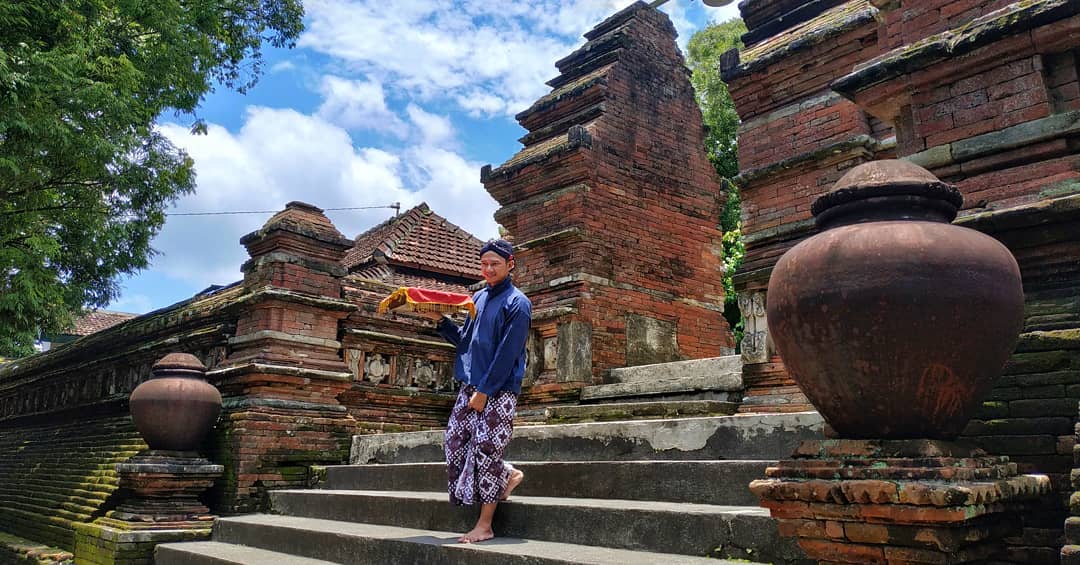
Imogiri Royal Cemetery (photo: Ozils_88)
The Imogiri Royal Cemetery in Bantul
You may think that cemeteries are not the perfect spot to visit if you are on vacation. However, this cemetery is unique. Imogiri is the official cemetery of the descendants of the Yogyakartan and Surakartan royalty. It is a dignified and beautiful spot, as the graves are all delicately decorated. Visitors are allowed to visit it only in traditional Javanese dress which can be rent directly on the spot.
Cultural Tourism Destination
The Imogiri Royal Cemetery in Bantul
Tourist Attractions in Yogyakarta
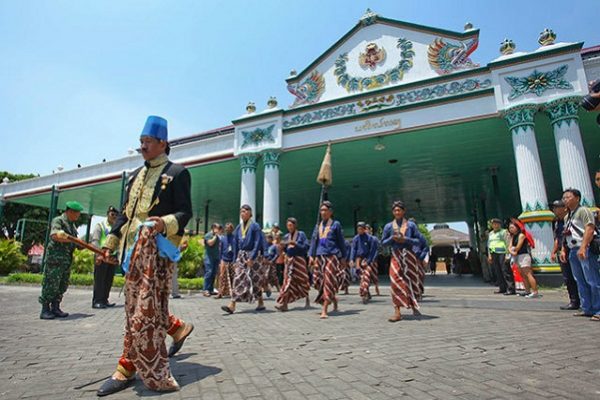
Yogyakarta Royal Palace
The Sultan’s Palace which lies in the middle of Yogyakarta city. Here people can
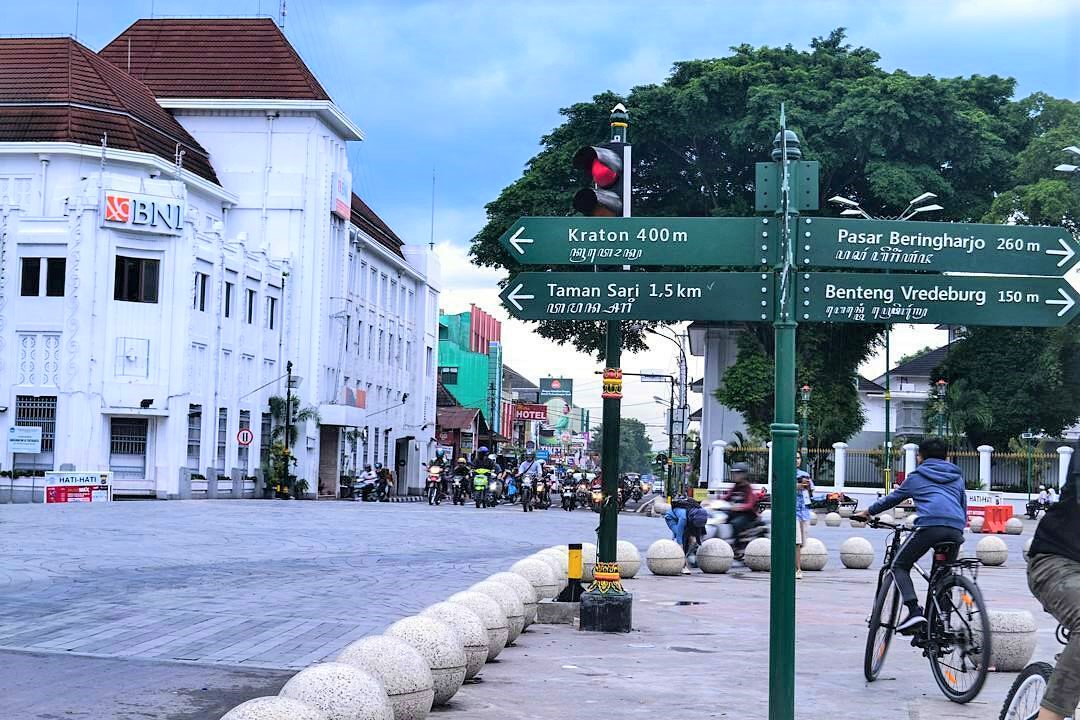
Yogyakarta City of Culture
This city represents the most magnificent cultural spot of Java. Settled in 1755, Yogyakarta is
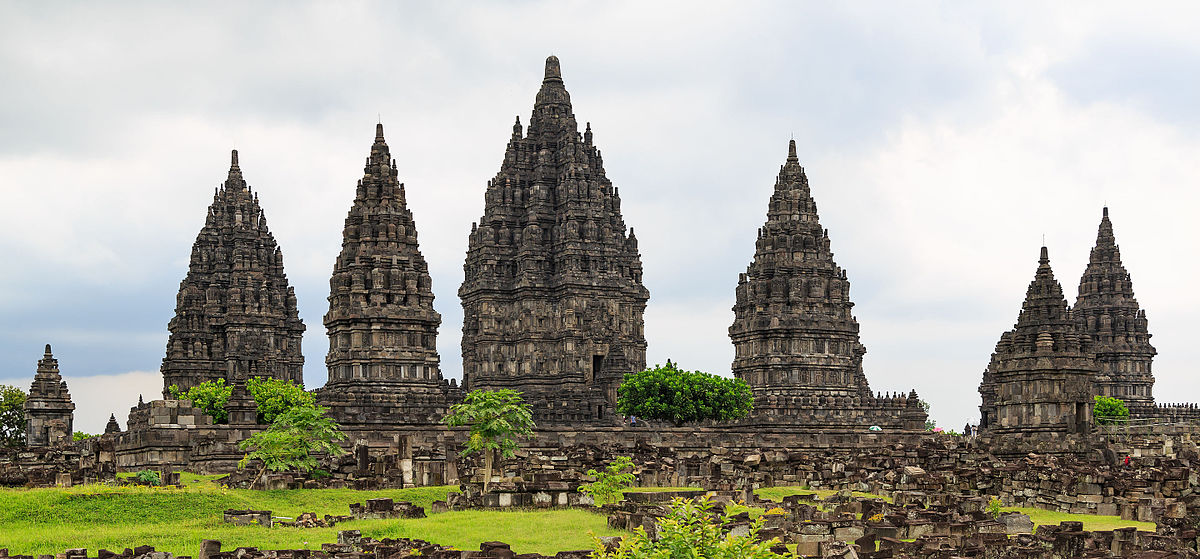
Prambanan Temple
One of the most important Hindu complex of temples built in 850 AD
Yogya
Batik Motifs