Home / Batik Regions - Central Indonesia - Kalimantan Island - East Kalimantan / Museum of Mulawarman
Cultural Destination
Embrace the spirit of the place!
Museum of Mulawarman
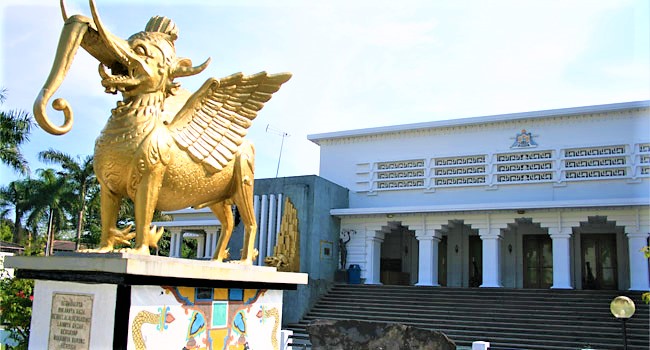
Museum of Mulawarman, Tenggarong City (photo: Diksi)
Museum of Mulawarman
Do you want to explore Dayak culture across centuries? The Mulawarman Museum in Tenggarong city is the right museum to visit. This museum has one of the most complete collections in Indonesia. There is also a duplicate of the Lembuswana mythological statue, which is a symbol of the kingdom of Kutai Kartanegara. This museum was built by adopting the traditional architecture of the Dayak tribe in Kutai. Prepare to be amazed!
Cultural Tourism Destination
Museum of Mulawarman
Tourist Attractions in East Kalimantan
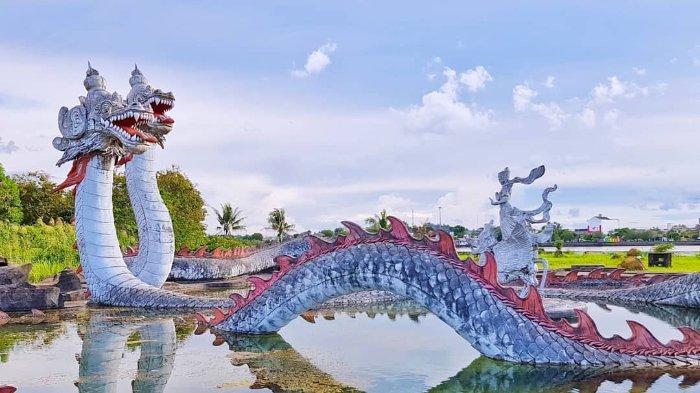
Kumala Island of Mahakam River
Do you want to fully experience the Lembuswana mythology in Kutai?
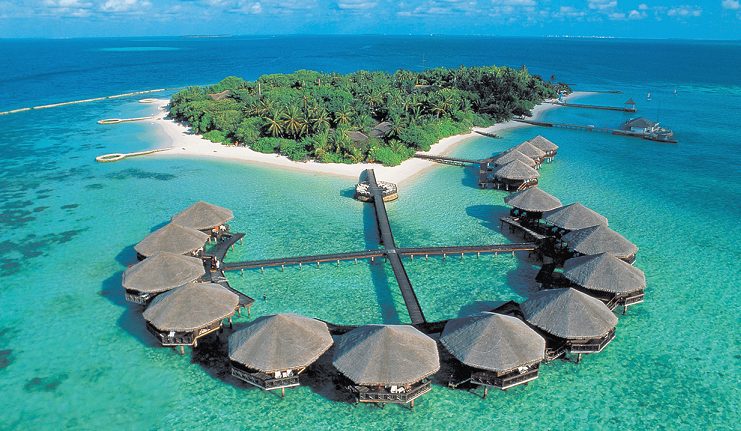
Derawan Island – Marine Conservation Site
Derawan is one of the national marine conservation sites where marine wonderful animals such as shark whales,
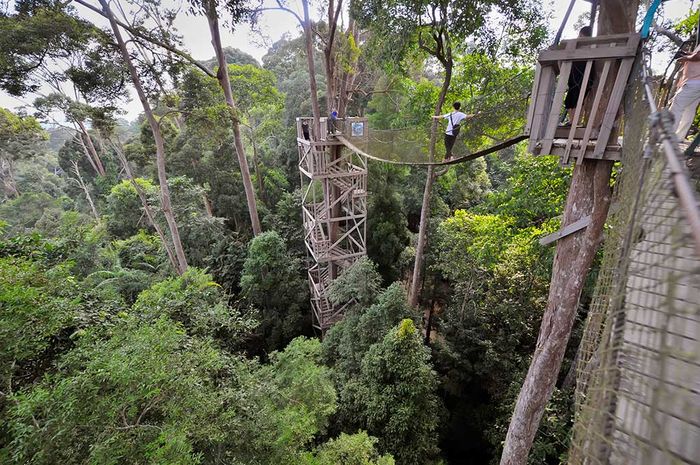
Bangkirai Hill Natural Conservation Site
If you have always dreamt to do a little adrenaline outdoor activities,
East Kalimantan
Batik Motifs