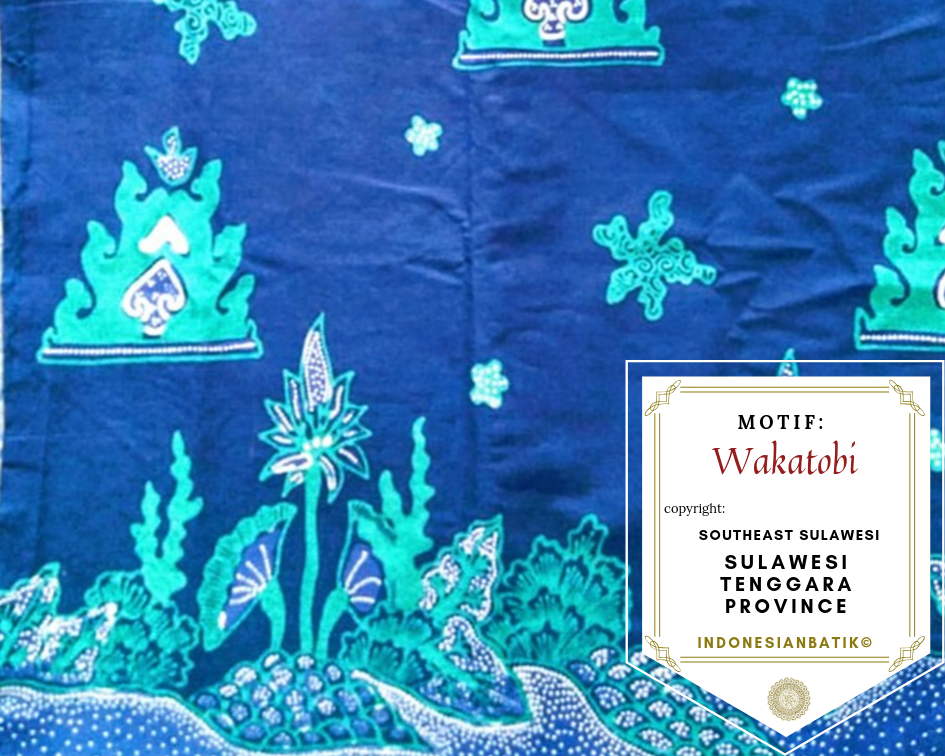
Wakatobi
Southeast Sulawesi Province - Indonesia
Meanings:
This Batik motifs symbolize the coastal beauty of the Wakatobi island. The symbol of the Patra leaf refers to self-awareness and divinity. This Batik motif is created as the typical Batik motif of Wakatobi Special Region, Southeast Sulawesi.
Note: All contents and batik images are protected by Indonesian cultural property law. This documentation is intended for educational purposes and to facilitate the preservation of Batik UNESCO's intangible cultural heritage 2009. Any use of published materials is allowed only with reference to this website as the original source of publication.
How to preserve Batik
Philosophical Meanings of Batik
Learn and identify the meaning of the motifs from each region. Are you searching for a meaningful gift for your loved ones? Surprise them with a merry little Batik!
Authentic Batik
Buy the authentic handwritten Batik textiles to add to your prestigious collection. Such support will enhance the well-being of Batik artisans and preserve the living heritage.
Batik Community
If you want to meet the Batik artisans, we encourage you to visit and support Batik workshops in Indonesia. You may discover the local tourism that suits your preference!
UNESCO Intangible Cultural Heritage of Humanity in 2009
Woven Batik Production Process in Southeast Sulawesi
Batik production can take 1 month up to 2 years of working time depending on the purposes of the textile creation and the colour complexity. The Batik handwriting textile is generally made with 8 design steps, ranging from wax patterning to colouring process. The artists use Canting, as a tool to put hot melted wax on the cloth.
Woven Batik Regions

Overview of Southeast Sulawesi Province
Southeast Sulawesi is known for its cultural richness. Its 11 intangible cultural heritages were designated as Indonesia’s national cultural heritage. In order to raise the interest of the young generation, the government policy strengthens the preservation of local culture by introducing safeguarding training and education on cultural heritage at high school level.
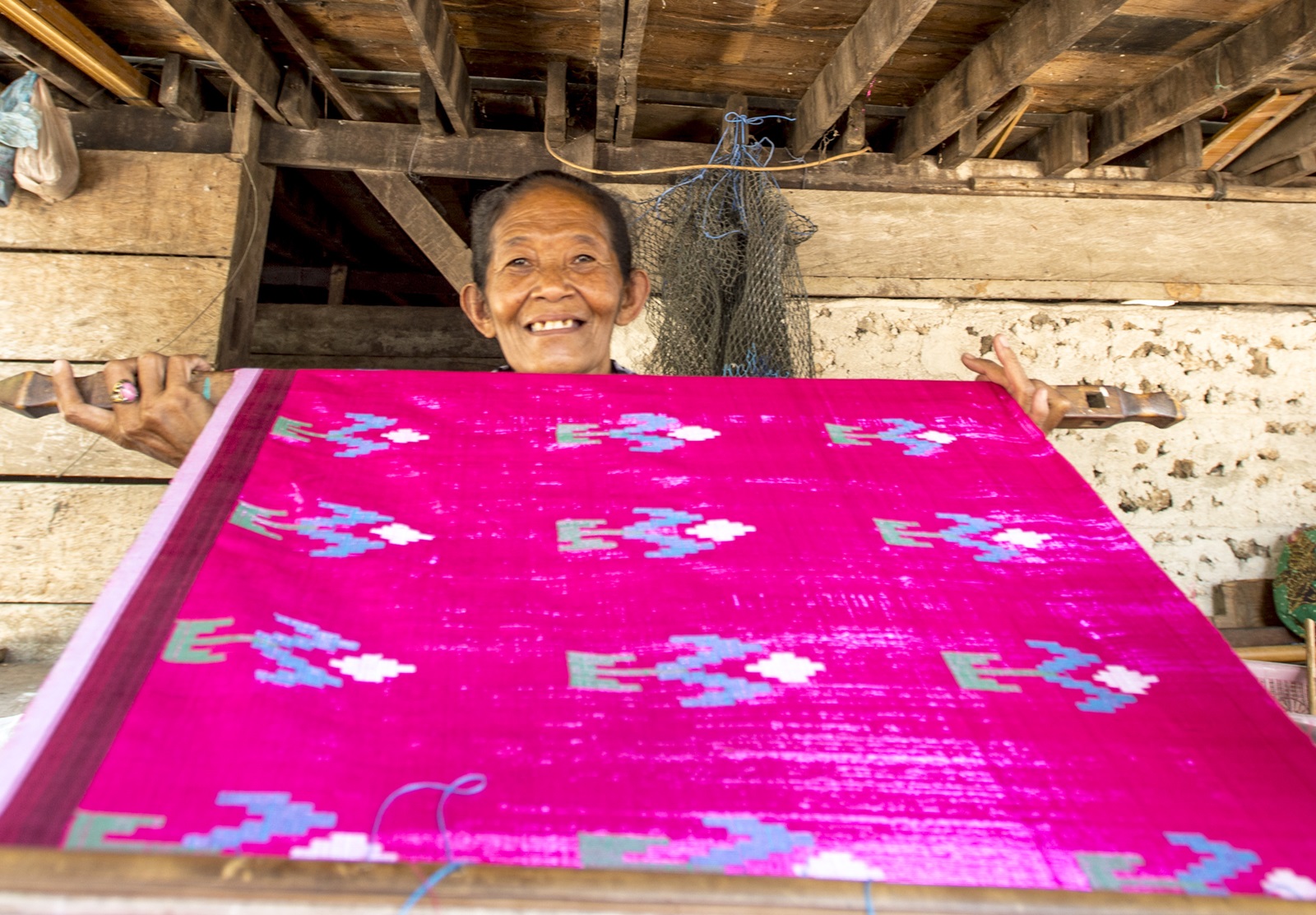
Woven Batik Production Villages in Southeast Sulawesi Province
Woven textile villages are the region where the textile heritage producers mostly reside and open their workshops, as well as display their textile products. You could buy the textiles from the artisans and participate in the making process of Batik on the site.
Batik Motifs in Southeast Sulawesi
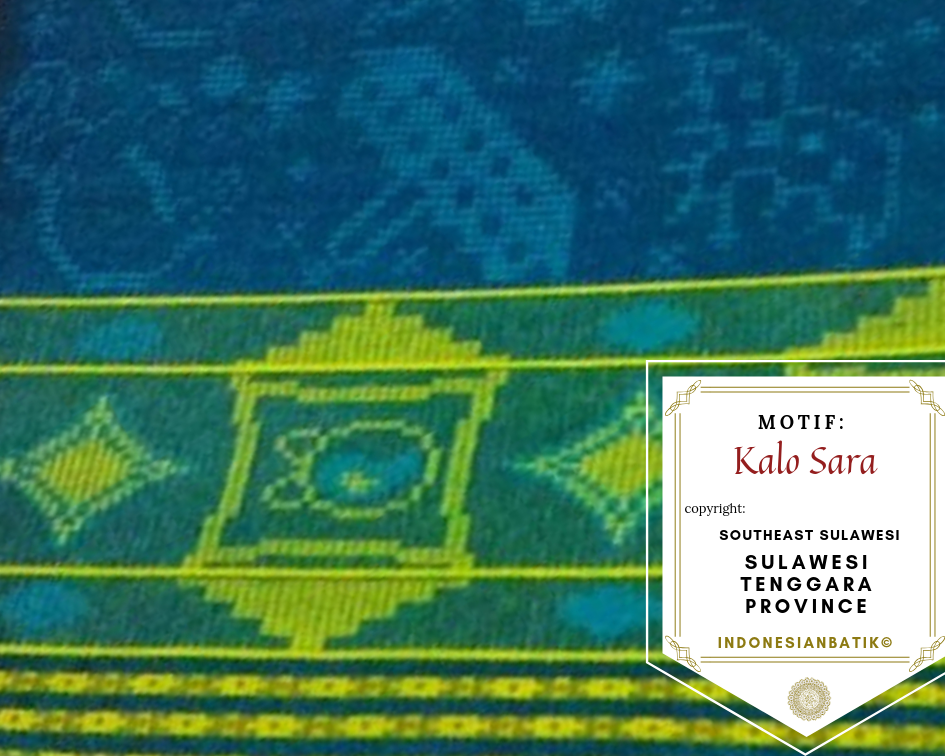
Kalo Sara
Kalo Sara is a sacred motif for Tolaki ethnic. It is considered as
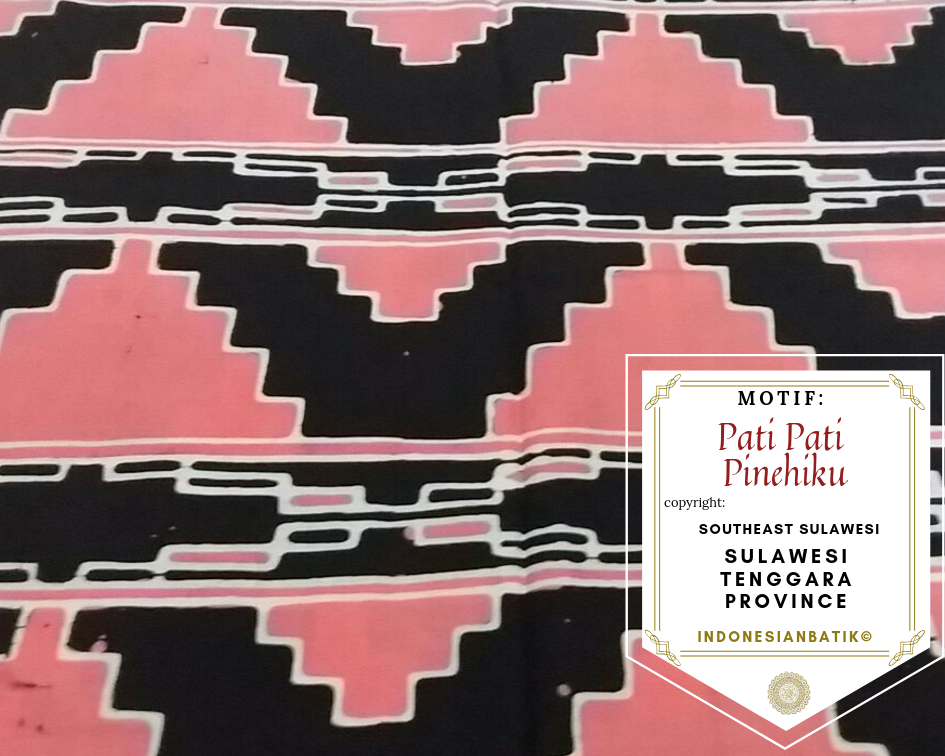
Pati-Pati Pinehiku
It symbolizes the hierarchy in society and the social status of the Mekongga
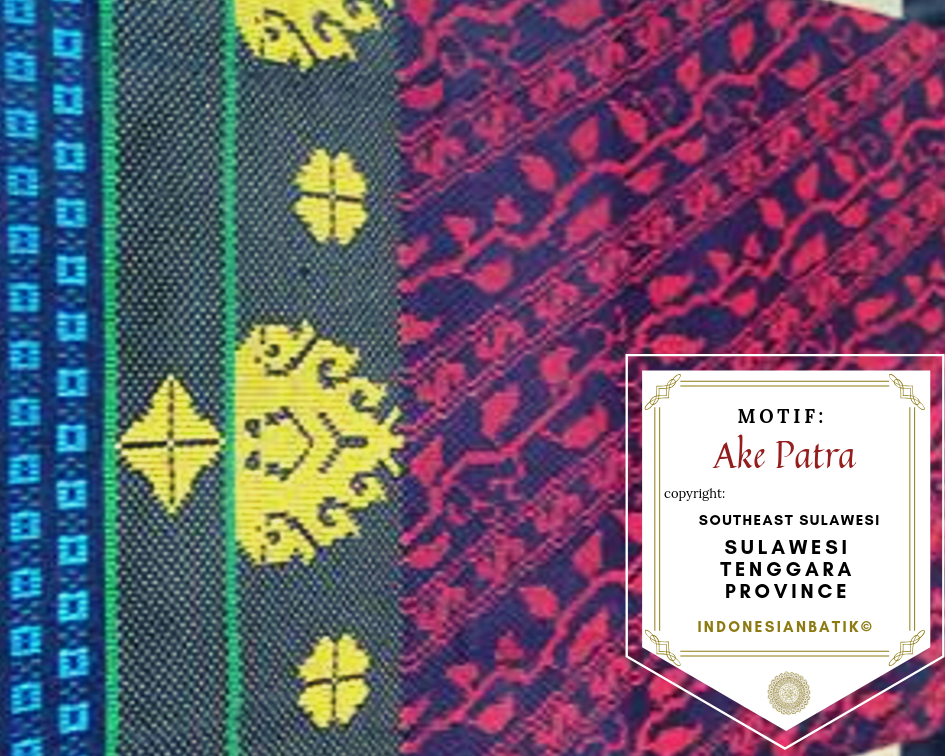
Ake Patra
Ake is related to the divinity and the composition of the universe. It is a symbol of