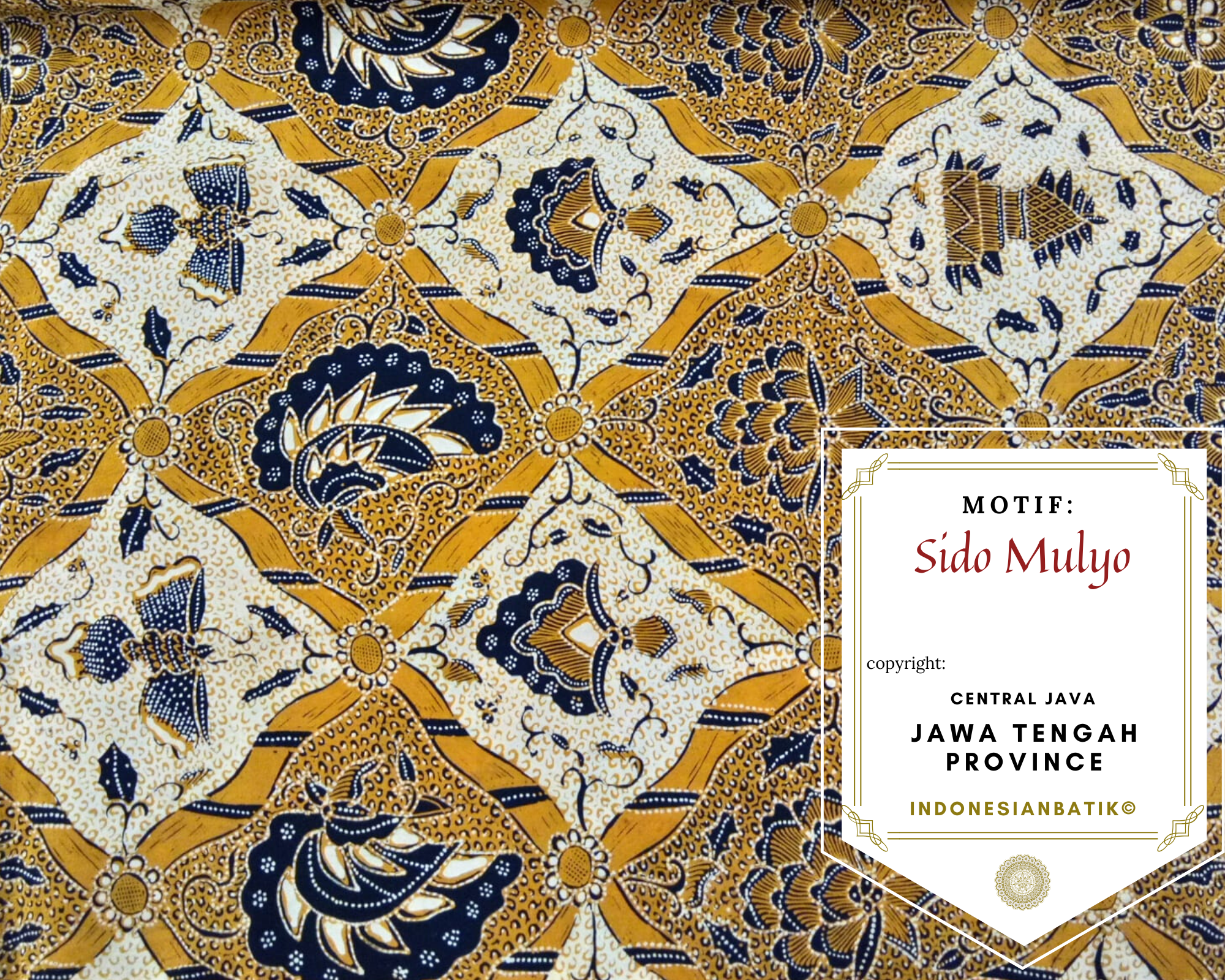
Sido Mulyo
Meanings:
Sido Mulyo is one of the classical motifs specifically used for the bride’s costume in Javanese royal wedding. It symbolizes good wishes that the wearer will achieve glory, harmonious family, and highly respected social status.
Note: All contents and batik images are protected by Indonesian cultural property law. This documentation is intended for educational purposes and to facilitate the preservation of Batik UNESCO’s intangible cultural heritage 2009. Any use of published materials is allowed only with reference to this website as the original source of publication.
How to preserve Batik
Philosophical Meanings of Batik
Learn and identify the meaning of the motifs from each region. Are you searching for a meaningful gift for your loved ones? Surprise them with a merry little Batik!
Authentic Batik
Buy the authentic handwritten Batik textiles to add to your prestigious collection. Such support will enhance the well-being of Batik artisans and preserve the living heritage.
Batik Community
If you want to meet the Batik artisans, we encourage you to visit and support Batik workshops in Indonesia. You may discover the local tourism that suits your preference!
UNESCO Intangible Cultural Heritage of Humanity in 2009
Batik Production Process in Central Java
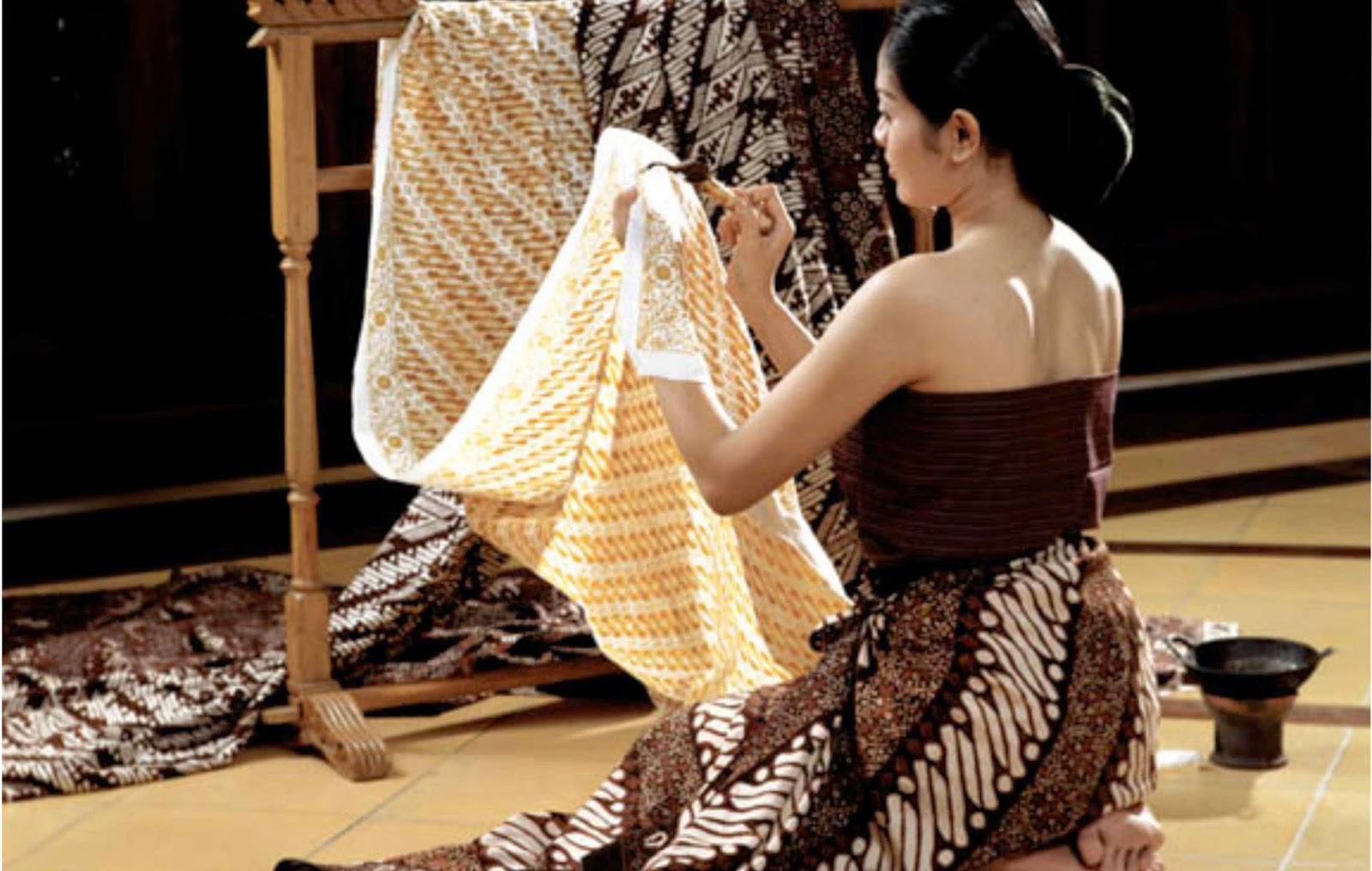
Batik production can take 1 month up to 2 years of working time depending on the purposes of the textile creation and the colour complexity. The Batik handwriting textile is generally made with 8 design steps, ranging from wax patterning to colouring process. The artists use Canting, as a tool to put hot melted wax on the cloth.
Batik Regions
Overview of Central Java Province
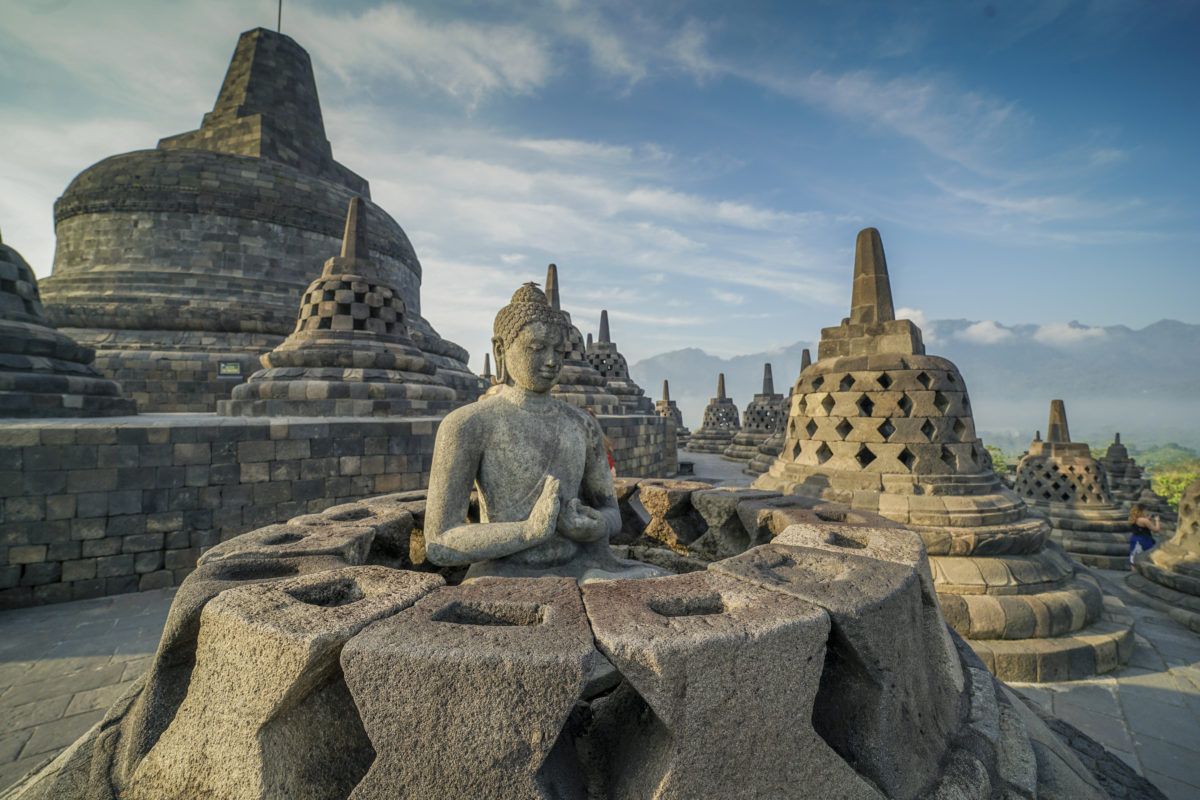
Central Java is famous for Borobudur Temple Complex which was inscribed as UNESCO World Heritage Site in 1991. Central Java is also known as the birthplace of The Wayang Shadow Theater and Keris, which have been inscribed as a UNESCO Intangible Cultural Heritage of Humanity in 2008. This region was also regarded as the center of powerful maritime kingdoms in Southeast Asian regions, such as Mataram and Demak during the 9th-16th Century.
Batik Villages in Central Java Province
Batik villages are the region where the Batik producers mostly reside and open their Batik workshops, as well as display their Batik products. You could buy the Batik textiles from the artisans and participate in the making process of Batik on the site.
Other Motifs in Central Java

Gurdo Solo
Gurdo or garuda bird is the mount of the Indian god Vishnu. As the Sun Bird,
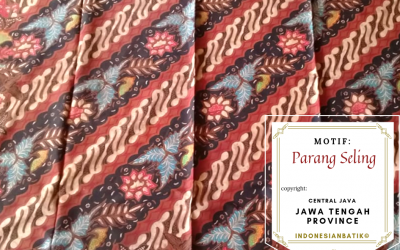
Parang Seling
Parang Seling or “alternating daggers” is a royal batik motif. It is a feminine variant of
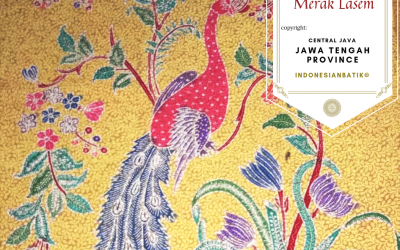
Merak Lasem
The peacock is considered to be the king of the birds. It represents
Central Java
Tourism
Discover
Indonesian
Tourism
Sido Mulyo
Central Java Province – Indonesia
Meanings:
Sido Mulyo is one of the classical motifs specifically used for the bride’s costume in Javanese royal wedding. It symbolizes good wishes that the wearer will achieve glory, harmonious family, and highly respected social status.
Note: All contents and batik images are protected by Indonesian cultural property law. This documentation is intended for educational purposes and to facilitate the preservation of Batik UNESCO’s intangible cultural heritage 2009. Any use of published materials is allowed only with reference to this website as the original source of publication.
How to preserve Batik
Philosophical Meanings of Batik
Learn and identify the meaning of the motifs from each region. Are you searching for a meaningful gift for your loved ones? Surprise them with a merry little Batik!
Authentic Batik
Buy the authentic handwritten Batik textiles to add to your prestigious collection. Such support will enhance the well-being of Batik artisans and preserve the living heritage.
Batik Community
If you want to meet the Batik artisans, we encourage you to visit and support Batik workshops in Indonesia. You may discover the local tourism that suits your preference!
UNESCO Intangible Cultural Heritage of Humanity in 2009
Batik Production Process in Central Java
Batik production can take 1 month up to 2 years of working time depending on the purposes of the textile creation and the colour complexity. The Batik handwriting textile is generally made with 8 design steps, ranging from wax patterning to colouring process. The artists use Canting, as a tool to put hot melted wax on the cloth.
Batik Regions
Overview of Central Java Province
Central Java is famous for Borobudur Temple Complex which was inscribed as UNESCO World Heritage Site in 1991. Central Java is also known as the birthplace of The Wayang Shadow Theater and Keris, which have been inscribed as a UNESCO Intangible Cultural Heritage of Humanity in 2008. This region was also regarded as the center of powerful maritime kingdoms in Southeast Asian regions, such as Mataram and Demak during the 9th-16th Century.
Batik Villages in Central Java Province
Batik villages are the region where the Batik producers mostly reside and open their Batik workshops, as well as display their Batik products. You could buy the Batik textiles from the artisans and participate in the making process of Batik on the site.
Other Batik Motifs in the Category of Wealthy and Successful Life
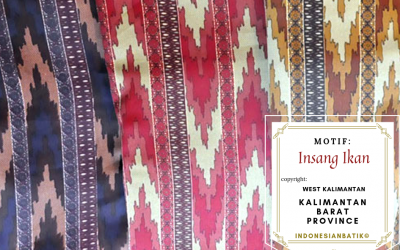
Insang Ikan
“Insang ikan” means the gills of the fish. It is a typical pattern used by
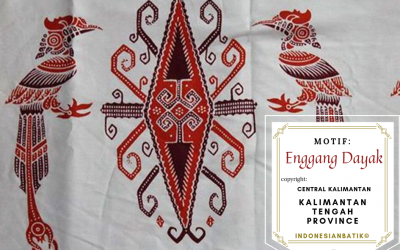
Enggang Dayak
“Enggang” is the native word for the hornbill bird that represents the closeness of
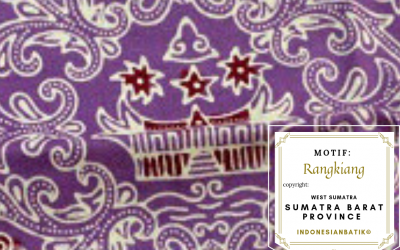
Rangkiang
The word “Rangkiang” refers to the rice barn in